Instant Savings
 Rebate Claims
 Support
 Find a Dealer
I am photographer Daisuke Fujimura. I was born in Kagawa Prefecture, Japan, and graduated from Nippon Photography Institute. After studying under professional photographer Masaharu Uemura, I became an independent photographer. I have covered more than 500 cities overseas, photographing world heritage sites, cityscapes, architecture, nightscapes, culture, history, customs, and daily life. I am also a pioneer in nightscape photography, having held Japan’s first solo exhibition devoted entirely to overseas nightscapes. My recent creative theme is “the human mind connected to the universe,” and I create photographs that express the universe surrounding everything and the space between people.
See more of my work on Instagram.
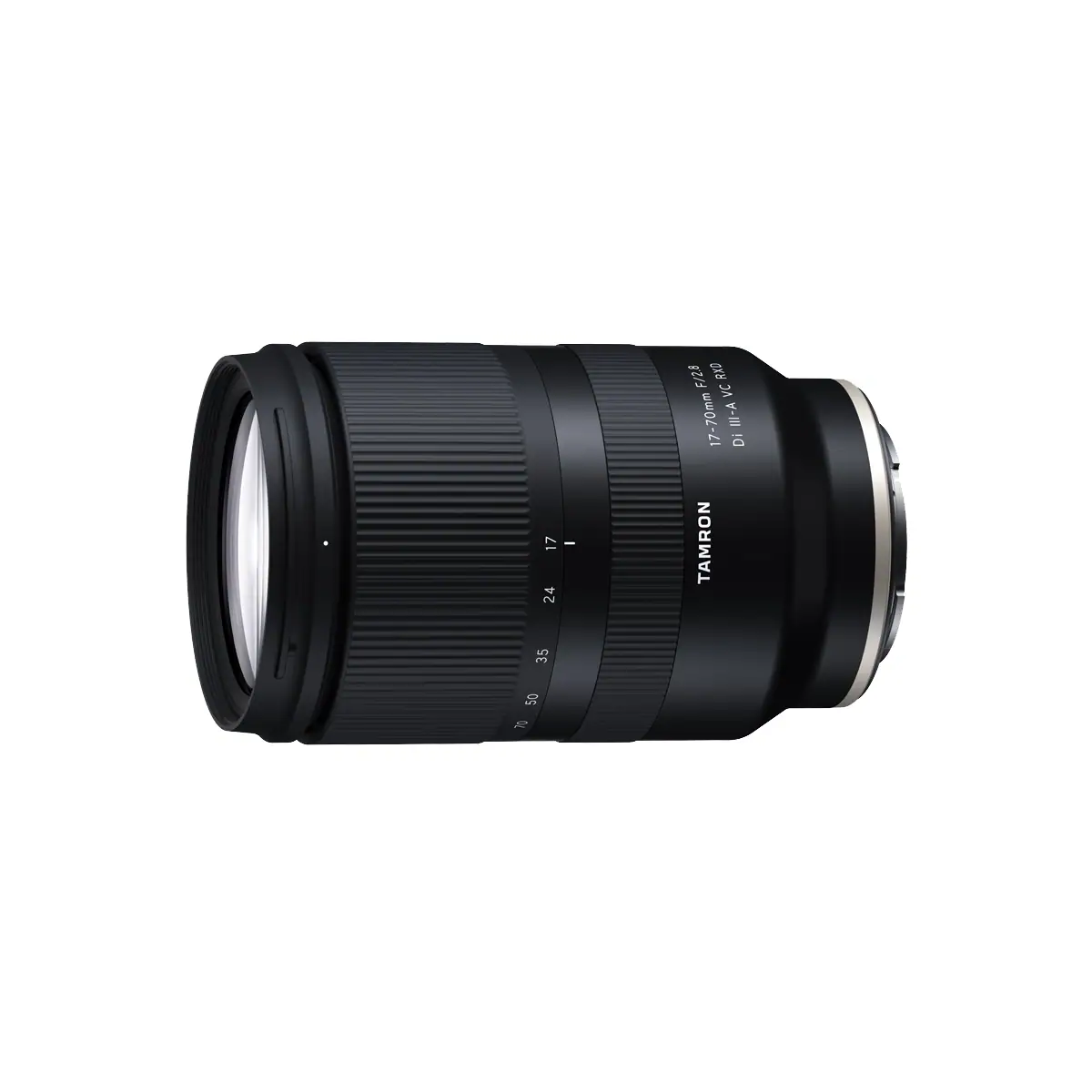
For this Tamron 17-70mm F2.8 Fujifilm X travel photography review, I took the Tamron 17-70mm F/2.8 Di III-A VC RXD (Model B070) on a trip through Shikoku, Japan, using a Fujifilm X-T4. The images range from Shikoku landscapes and historic architecture to indoor travel details and low-angle scenes along the water.
On Fujifilm APS-C cameras, the 17-70mm range provides a full-frame equivalent of approximately 25.5-105mm. That makes it a flexible walk-around range for travelers who want to photograph broad scenes, architecture, details, and everyday moments without constantly changing lenses. For photographers comparing Fujifilm X-mount travel lenses, the combination of a constant F2.8 aperture, VC (Vibration Compensation), and a compact APS-C design makes this lens especially practical for long days of exploration.
Compact and Lightweight for Travel Photography in Shikoku
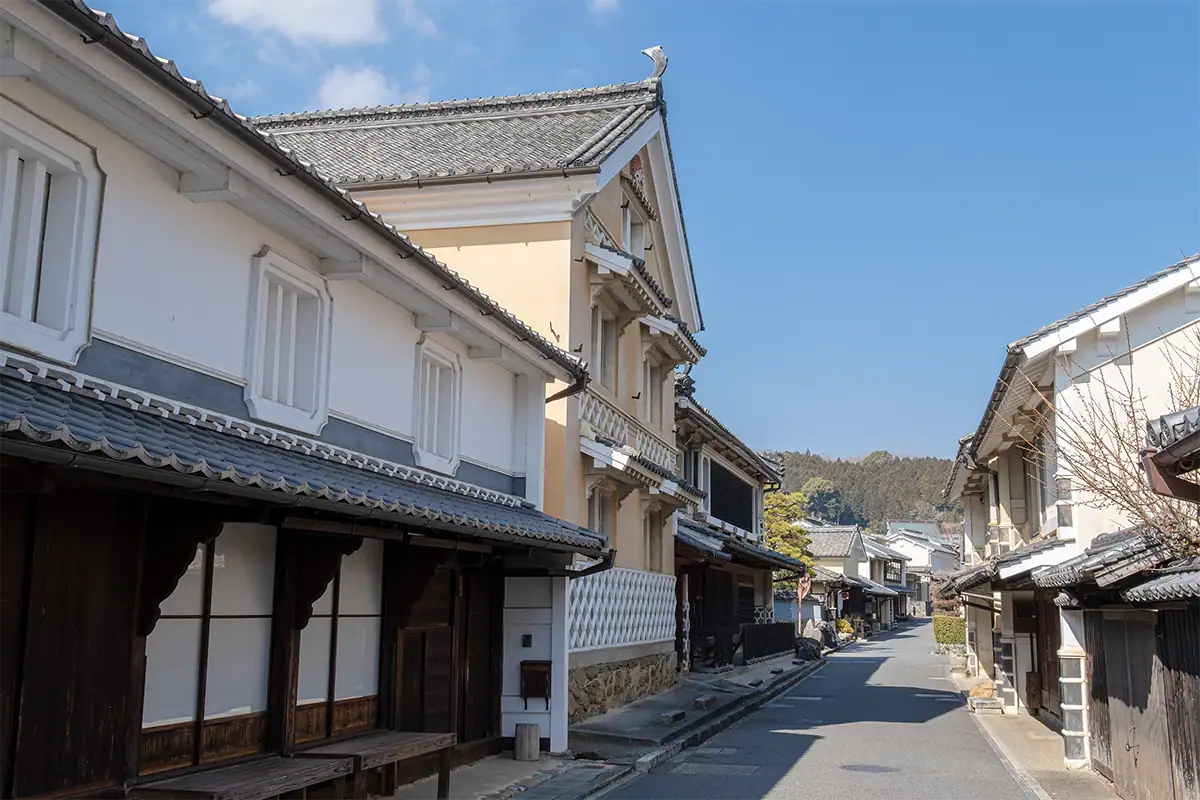
When I held up this lens for the first time, I was fascinated by the compact size that fits into my palm, and the unexpectedly light weight for its fast F2.8 maximum aperture. Thinking that a small zoom lens with excellent portability would be ideal for taking snapshots while traveling, I already had great hopes for the lens before I started shooting.
Travel snapshots taken while continually walking around can tire you out from the fatigue of carrying a heavy conventional fast-aperture lens. This lens does not give that impression at all, and I was able to shoot in comfort. For a trip built around walking through historic streets, sightseeing areas, and changing locations, that portability made it easy to keep the camera ready.
Close-Up Travel Details with Short Minimum Object Distance and F2.8 Bokeh
I often photograph small objects indoors at close range, and it can be tough to adjust my stance while looking for the right angle. However, since the 17-70mm F2.8 has a short MOD (Minimum Object Distance), you can take close-up shots without difficulty. The lens focuses as close as 7.5” (0.19m) at the wide end and 15.4” (0.39m) at the telephoto end.
Isolating Small Details While Traveling
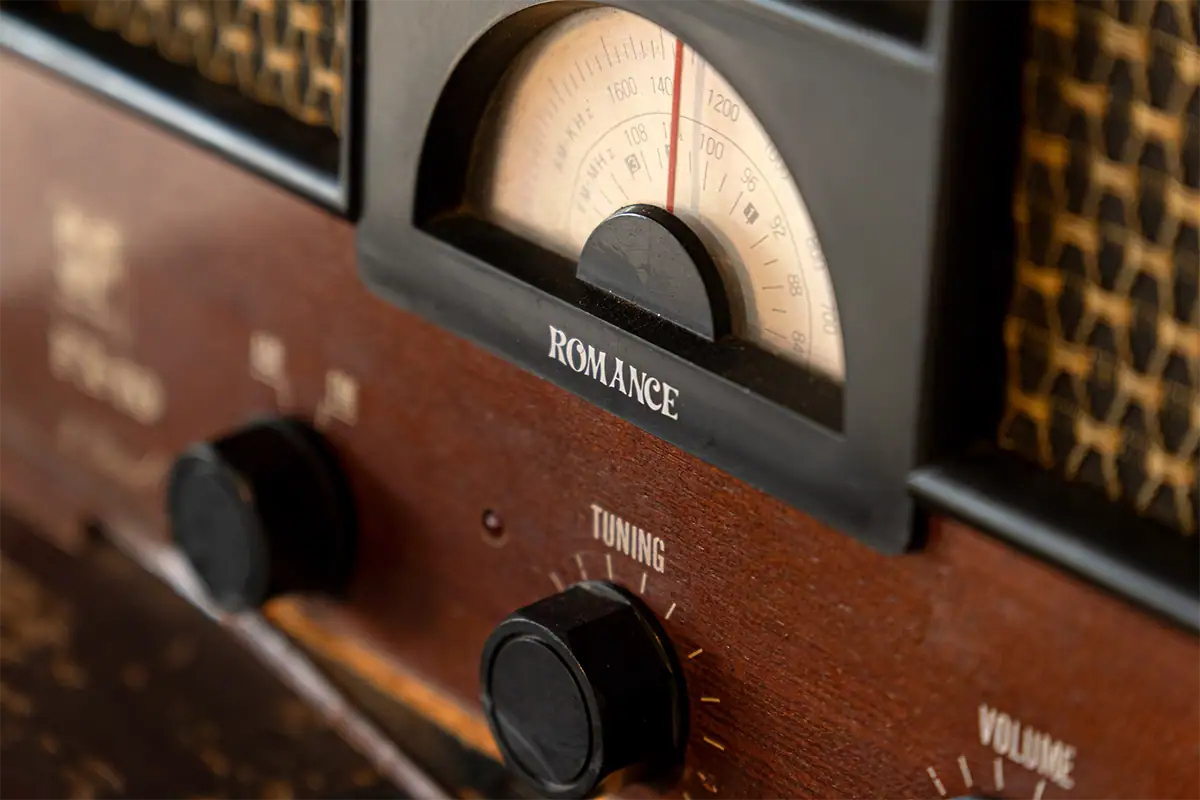
At the wide-open F2.8 aperture, the beautiful bokeh effects produced even at wider focal lengths help in the creation of the work. The ability to move from a broader travel scene to a small detail without changing lenses makes it easier to build a more complete visual story of a place.
Close-Up Travel Photography in Uchiko

These are the kinds of small objects that can be difficult to photograph when space is limited. The short minimum object distance gave me freedom to work close to the subject without constantly changing my stance or backing away to find focus.
Balanced Handling for Creative Low-Angle Travel Photography
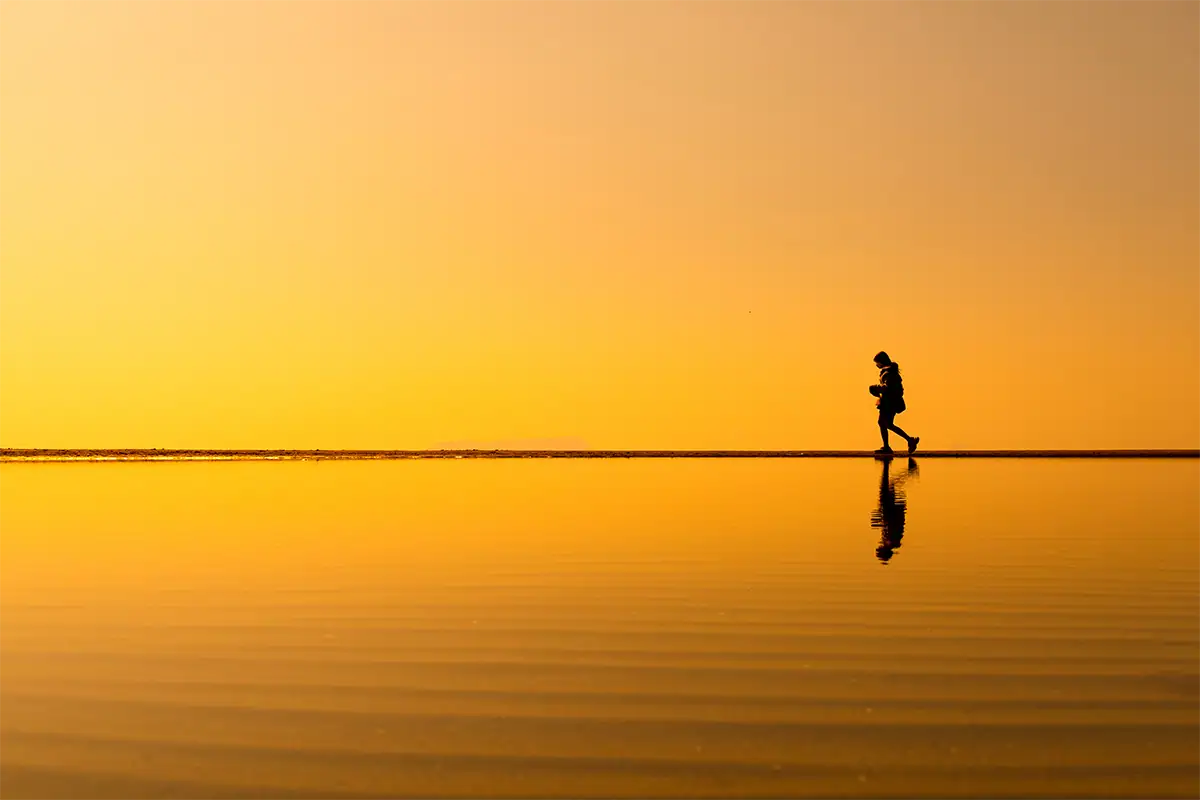
When shooting from an extremely low angle right at the surface of the water, my stance tends to get unstable. This time, I found the combination of the Fujifilm X-T4 and the 17-70mm F2.8 to have a good balance, and I was able to take pictures well. That handling is valuable on a trip because interesting viewpoints are not always the most comfortable ones.
High Image Quality for Shikoku Landscapes and Architecture
On top of its portability, the image quality is superb. The superior optical performance using special lens elements combined with the coating produces excellent rendering performance, and I was able to concentrate on landscape photography with peace of mind thanks to the minimal flare and ghosting.
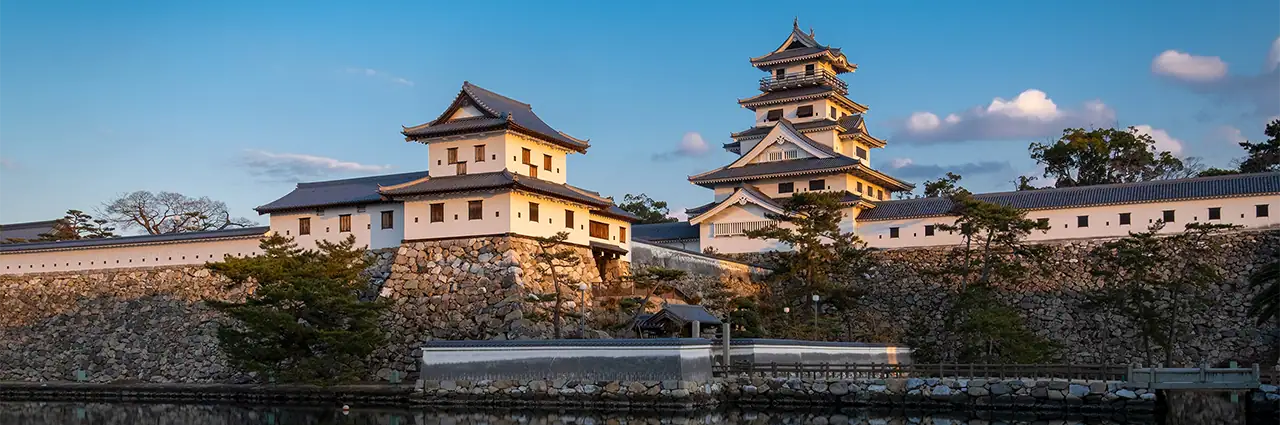
Photographing Imabari Castle and Its Reflection
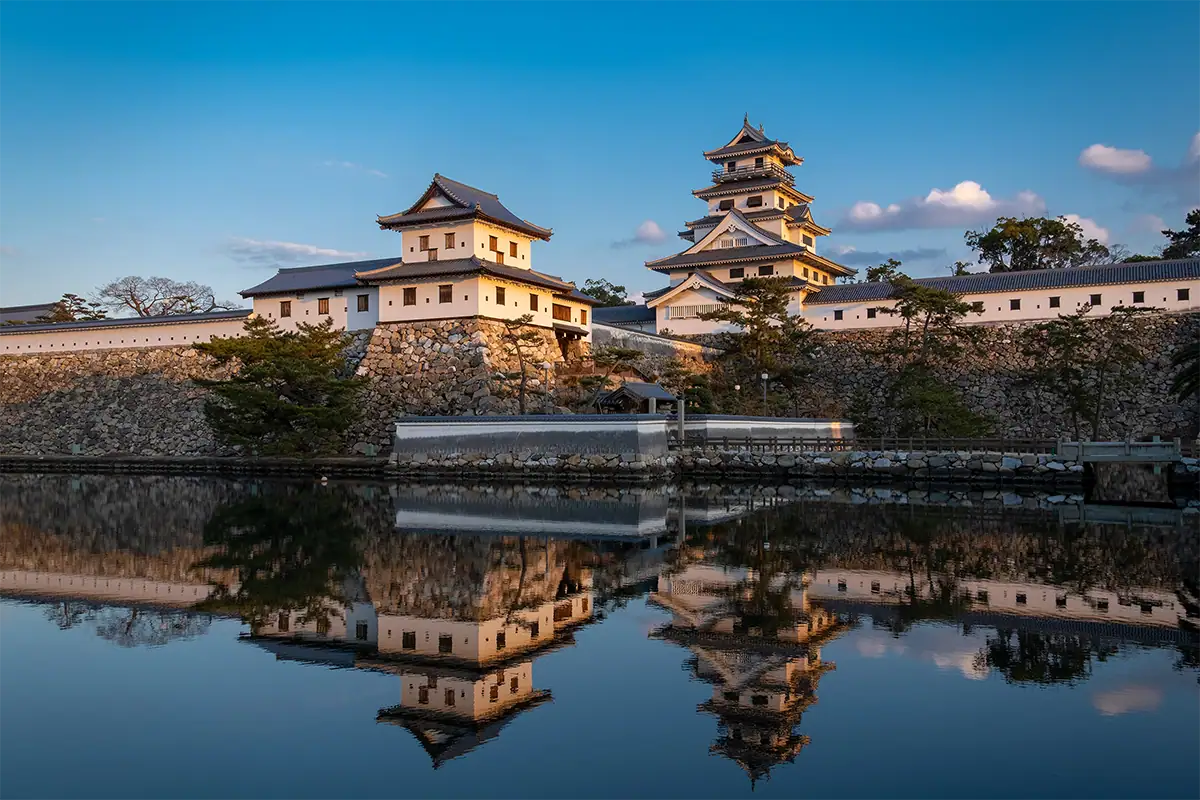
A scene like Imabari Castle combines architecture, stone texture, sky, and reflection in one composition. The 17-70mm range gives me room to frame the full setting while maintaining fine detail throughout the image.
Rendering Traditional Japanese Interiors
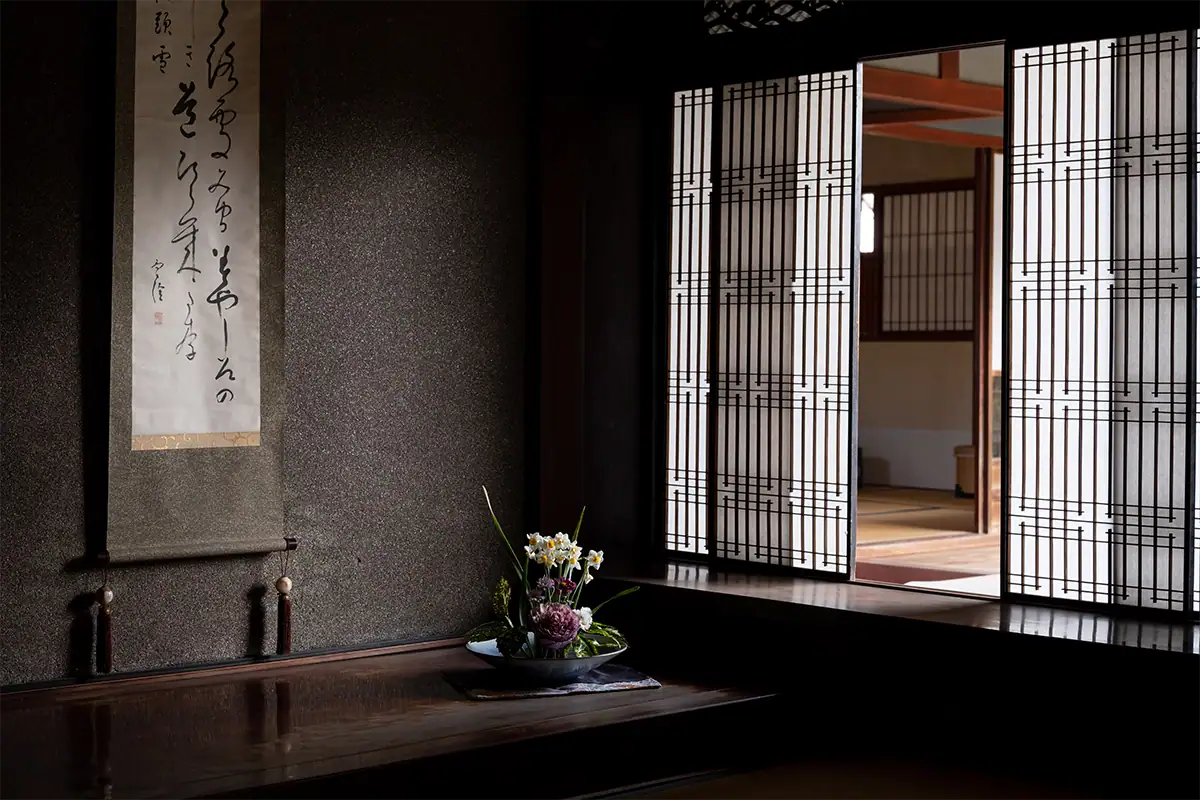
Indoor travel scenes can combine deep shadow, bright window light, fine architectural detail, and small objects in the same frame. The lens gave me the flexibility to respond to those conditions while keeping the camera-and-lens combination compact enough for continuous travel shooting.
Flare Control, Night Photography, and Changing Weather
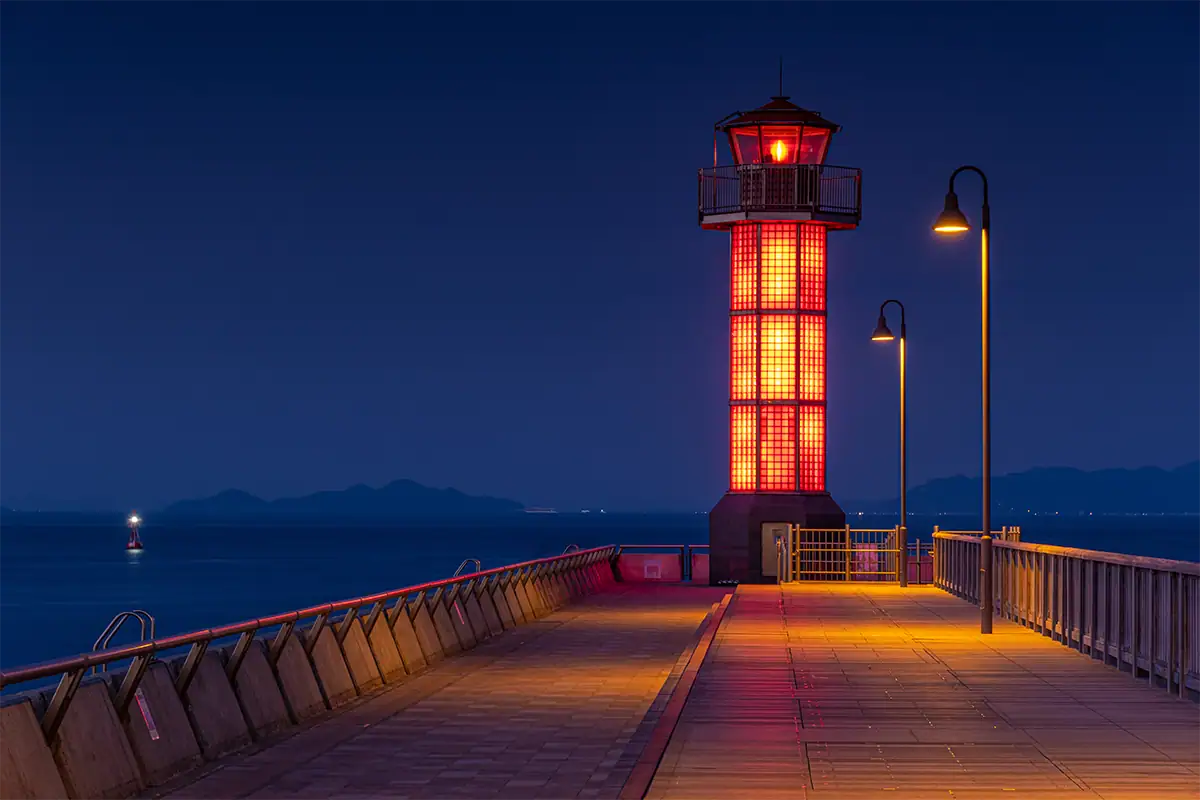
The superior optical performance and coating also gave me confidence when photographing scenes with difficult light. Even during night photography that involves a particularly large number of point light sources and high-contrast scenes, the lens demonstrated those capabilities to the fullest.
There were times when it rained during my trip, but thanks to the lens’s Moisture-Resistant Construction, I could focus on shooting without concerns. When it comes to travel snapshots, sometimes it is bad weather that produces the best shooting opportunities. For famous places that are often photographed, the 17-70mm F2.8 gives me the freedom to respond to the conditions I encounter and capture the scene in my own way.
Conclusion: Tamron 17-70mm F2.8 Fujifilm X as a Go-To Travel Zoom
I felt that the 17-70mm F2.8 lens I tried this time is the ultimate standard zoom lens. Despite the fast aperture, it is compact and lightweight, and it produces high image quality. It can be used as a daily lens while still giving me the versatility I want for travel.
For a trip through Shikoku, I appreciated being able to move from historic streets and architecture to small indoor details, low-angle compositions, and landscapes with one lens. The 17-70mm range, constant F2.8 aperture, short minimum object distance, VC, and travel-friendly handling make it a strong choice for Fujifilm X photographers who want one standard zoom to cover most of a day on the road.
Where to Buy Tamron Lenses
Learn more about the Tamron 17-70mm F/2.8 Di III-A VC RXD for Fujifilm X, Sony E, Canon RF, and Nikon Z APS-C mirrorless cameras. Shop through the official Tamron Store when available or find an authorized Tamron dealer near you and explore more Tamron lenses for Fujifilm X-mount for travel, street, landscape, and everyday photography.
Frequently Asked Questions About the Tamron 17-70mm F2.8 for Fujifilm X Travel Photography
Is the Tamron 17-70mm F2.8 good for Fujifilm X travel photography?
Yes. In this review, Daisuke Fujimura used the Tamron 17-70mm F2.8 while traveling through Shikoku, Japan. He valued its compact and lightweight handling, close-focusing capability, constant F2.8 aperture, high image quality, and ability to cover everything from landscapes and architecture to small indoor details.
What is the full-frame equivalent of the Tamron 17-70mm on Fujifilm X cameras?
On Fujifilm APS-C mirrorless cameras, the 17-70mm focal range provides a full-frame equivalent of approximately 25.5-105mm. This gives travelers coverage from wide views of streets and landmarks to tighter detail shots without changing lenses.
Is the Tamron 17-70mm F2.8 a good walk-around lens for Japan travel?
Yes. Fujimura specifically noted that travel photography often involves continual walking and that the compact, lightweight lens allowed him to shoot comfortably. Its broad standard-zoom range also reduces the need to change lenses as scenes change throughout the day.
How close can the Tamron 17-70mm F2.8 focus?
The minimum object distance is 7.5” (0.19m) at 17mm and 15.4” (0.39m) at 70mm. Fujimura found the short minimum object distance especially useful for photographing small objects indoors at close range while traveling.
Can the Tamron 17-70mm F2.8 create bokeh at wide focal lengths?
Yes. Fujimura noted that shooting wide open at F2.8 produced large bokeh effects even at wider focal lengths, which helped him isolate travel details and create more expressive images in confined spaces.
Is the Tamron 17-70mm F2.8 suitable for travel in changing weather?
The lens features Moisture-Resistant Construction and a fluorine coating. Fujimura encountered rain during his trip and said the moisture-resistant construction allowed him to stay focused on photography as the weather changed.
Is the Tamron 17-70mm F2.8 only available for Fujifilm X-mount?
No. The Tamron 17-70mm F2.8 Di III-A VC RXD (Model B070) is available for Fujifilm X, Sony E, Canon RF, and Nikon Z APS-C mirrorless cameras. This review specifically covers the Fujifilm X-mount version used for travel photography in Shikoku, Japan.