Photographing the beauty of Italy with the Tamron 35-100mm F/2.8
Cody Conk uses the TAMRON 35-100mm F/2.8 to capture these scenes with a thoughtful eye, balancing sweeping environments with the details that give each location its character.
Author & Images: Cody Conk
Share Article
Italy offers endless opportunities to tell a story through light, perspective, and composition. Photographer Cody Conk uses the TAMRON 35-100mm F/2.8 to capture these scenes with a thoughtful eye, balancing sweeping environments with the details that give each location its character. His tips explore how techniques such as layering, careful exposure, natural framing, and shooting beyond sunset can help transform memorable destinations into compelling photographs.
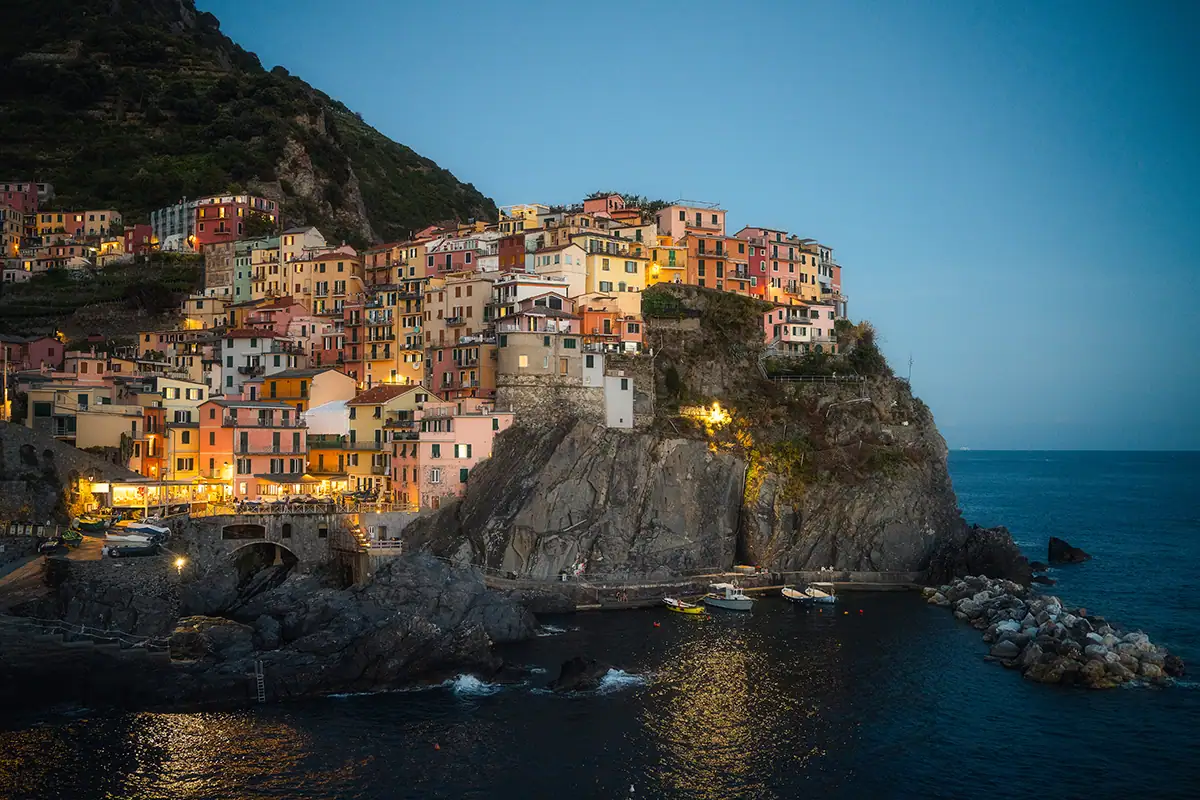
Don’t pack up after sunset. Blue Hour is often the best time to photograph coastal towns because it balances the cool tones of the sky with the warm glow of city lights. To keep your image sharp while using the slower shutter speeds needed in low light, use a tripod and a 2-second timer or remote shutter. This allows you to capture more detail in the buildings, preserve color in the sky, and create beautiful reflections in the water without introducing camera shake.
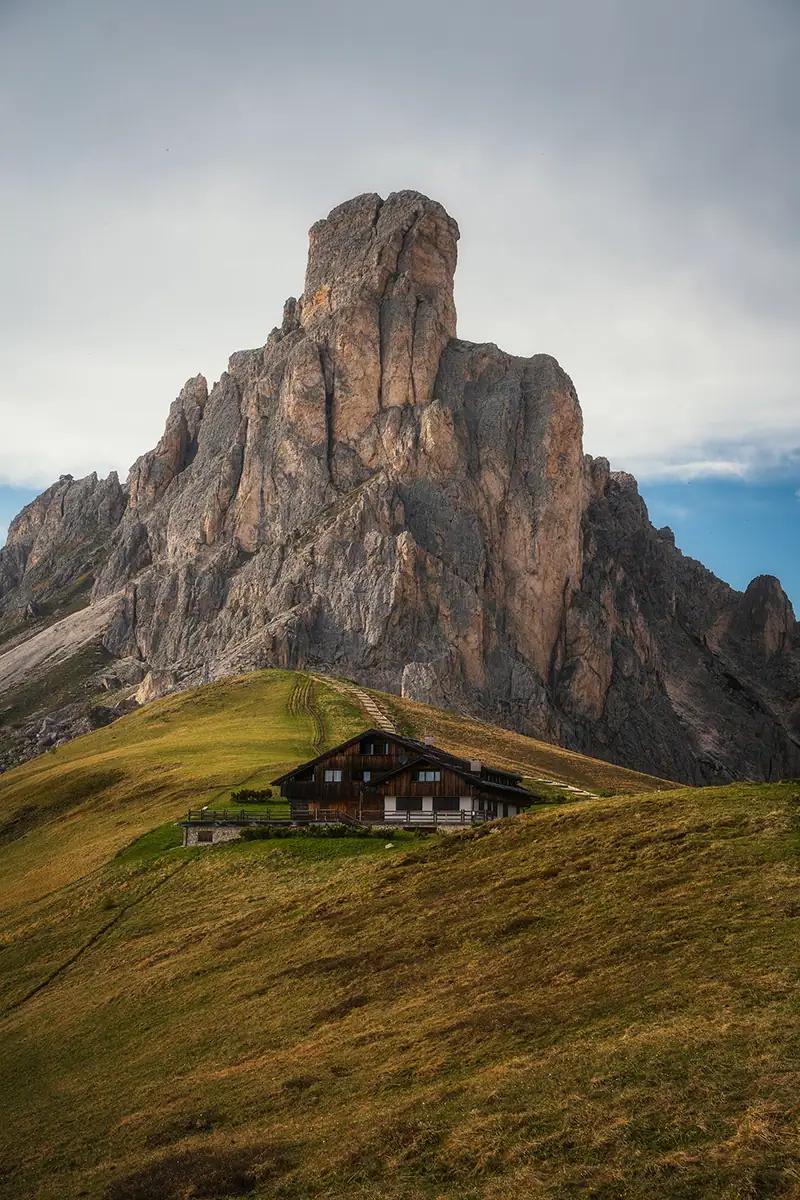
Strong landscape photos often have multiple layers that create depth. In this image, the foreground meadow leads to the hut, which then leads to the towering peak in the background. Creating these visual layers can help create leading lines that help guide the viewer through the image and makes a two-dimensional photo feel much more three-dimensional.
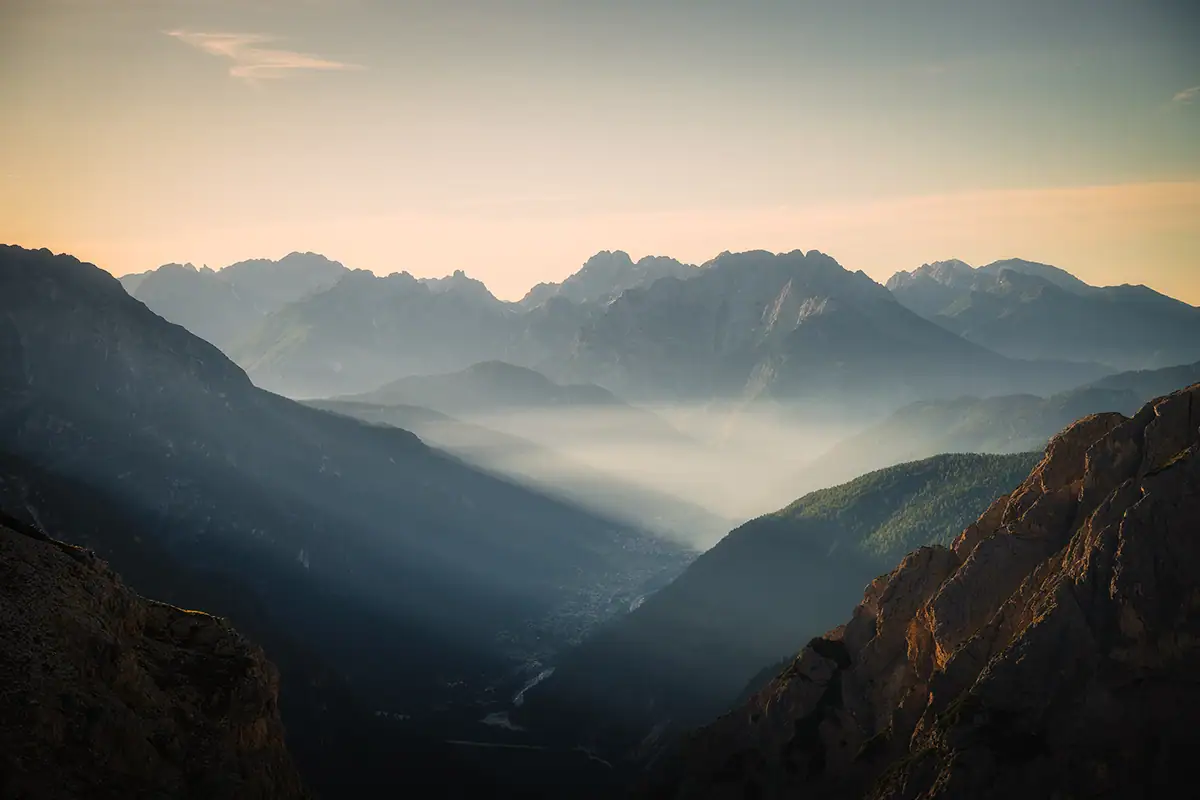
Expose for the highlights, not the shadows. In scenes with dramatic light, preserving the brightest parts of the image should be your priority. I intentionally underexposed this scene by about 1-2 stops to keep detail in the sky and sun rays. The darker areas can be brightened later in Lightroom, but once highlight detail is lost, it’s gone for good.
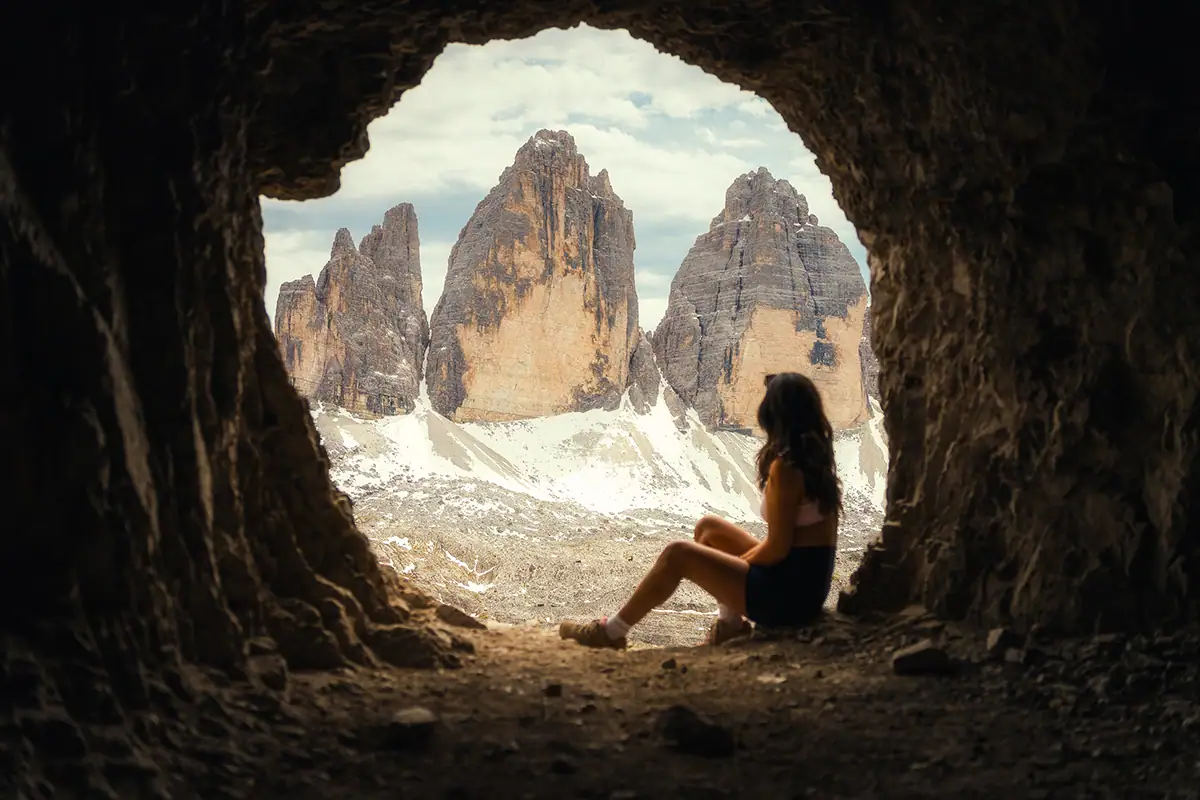
Great compositions often combine multiple techniques into a single frame. In this image, the cave creates a natural frame, the foreground adds depth, and the opening leads your eye directly to the mountain in the distance. Rather than looking for one compositional element, try layering several together to create a more dynamic and intentional photograph.
 Instant Savings
 Rebate Claims
 Support
 Find a Dealer