Instant Savings
 Rebate Claims
 Support
 Find a Dealer

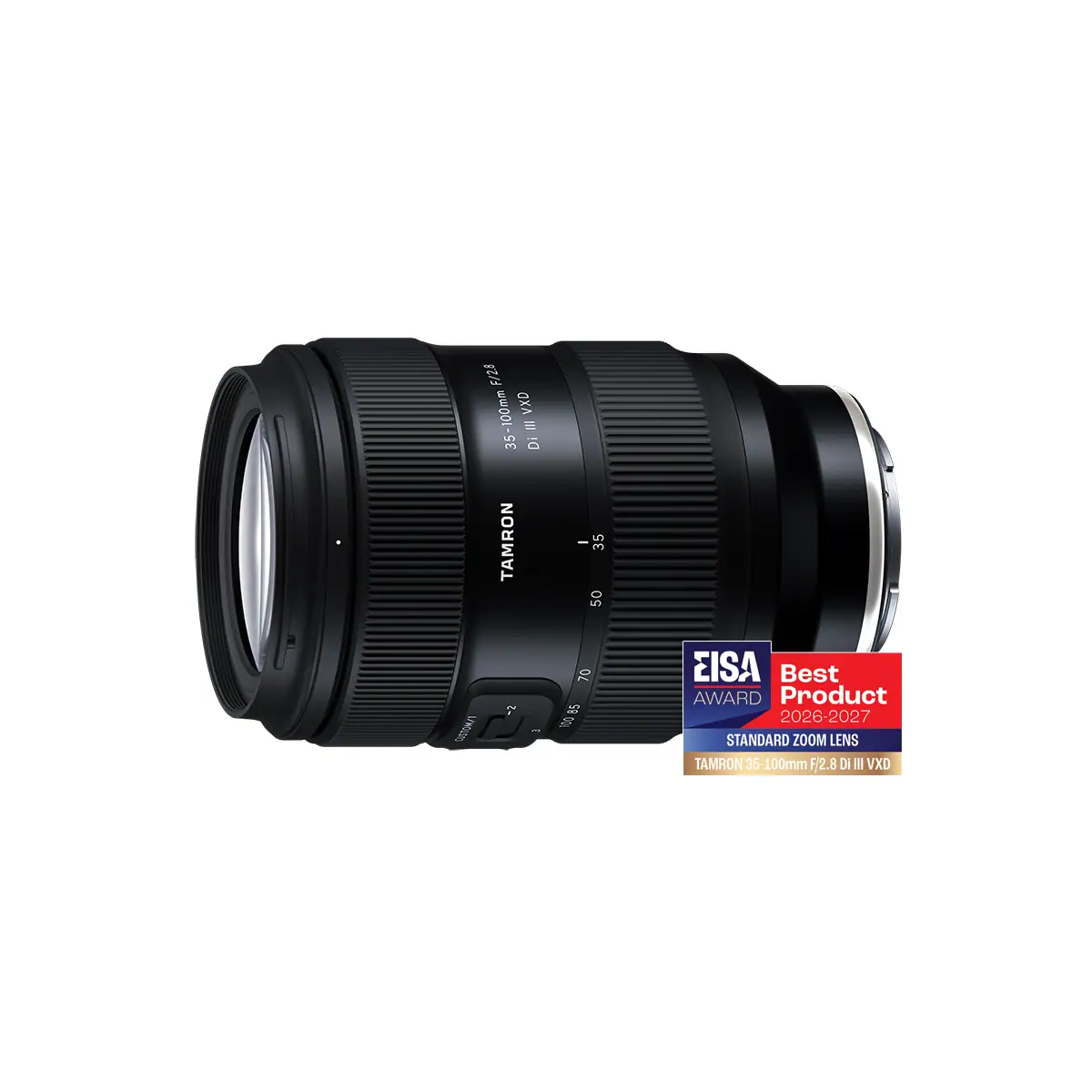
Quick Verdict: Tamron 35-100mm F/2.8 Di III VXD for Portrait Photography
In this Tamron 35-100mm F/2.8 Di III VXD review, we look at how this compact portrait zoom lens performs in real-world photography, including sharpness, autofocus performance, and overall handling during long shooting days. For photographers who want a flexible portrait lens with professional image quality, the 35–100mm range provides the perfect balance for portraits, events, and travel photography.
Best for: Portraits, travel, and events
Not ideal for: Nature and Wildlife, some sports
My favorite feature: Fast aperture and a good focal range for portraits and events
One thing to know before buying: Great option because of size and weight
The Tamron 35-100mm F/2.8 Di III VXD review shows that this compact zoom lens delivers excellent sharpness, fast autofocus, and a lightweight design for portrait photographers.
Tamron 35-100mm F2.8 Portrait Lens: At a Glance
- Best use: Portrait photography, events, and travel
- Standout feature: Constant F2.8 aperture for subject separation and low-light performance
- Why photographers like it: Compact size with professional image quality
- Ideal user: Portrait photographers who want a lightweight alternative to larger telephoto zooms
Tamron 35-100mm F/2.8 Di III VXD Review Summary
The Tamron 35-100mm F/2.8 Di III VXD is a compact professional zoom lens designed for portrait photography, events, and travel. In real-world shooting, it delivers strong image quality, fast autofocus, and the flexibility of multiple portrait focal lengths in a lightweight design.
For photographers who want the versatility of a zoom without carrying a large telephoto lens, the Tamron 35-100mm offers a balanced combination of sharp optics, reliable autofocus performance, and practical portability.
Pros
- Constant F2.8 aperture for consistent exposure and background blur
- Lightweight design for long shooting sessions
- Fast and reliable VXD autofocus
- Multiple portrait focal lengths in one lens
- Strong optical quality throughout the zoom range
Cons
- Less reach than longer portrait zooms like a 70–200mm
- Maximum background blur is not as shallow as ultra-fast prime lenses
Key Takeaways: Why the Tamron 35-100mm F2.8 Is a Strong Portrait Zoom
- Constant F2.8 aperture delivers smooth background blur and reliable low-light performance.
- Autofocus is fast and accurate, making it easy to capture authentic moments and expressions.
- The 35–100mm range covers environmental portraits through tight headshots in one compact lens.
- Lightweight design makes it comfortable for long portrait sessions and events.
- Image quality is consistently sharp with pleasing subject separation.
Is the Tamron 35-100mm F2.8 One of the Best Portrait Zoom Lenses for Sony E and Nikon Z Cameras?
For photographers using Sony E-mount or Nikon Z mount mirrorless cameras, the Tamron 35-100mm F2.8 stands out as one of the most balanced compact portrait zoom lenses available. If you’re exploring the best portrait lenses for Sony E-mount cameras or researching the best portrait lenses for Nikon Z mount cameras, this lens covers several classic portrait focal lengths—including 50mm, 85mm, and 100mm—while maintaining a constant F2.8 aperture and a lightweight design that is easy to carry during long portrait sessions or events.
Compared to larger portrait zoom lenses, the Tamron 35-100mm prioritizes portability without sacrificing professional image quality. It delivers strong sharpness, fast VXD autofocus, and excellent subject separation, making it a compelling option for Sony and Nikon mirrorless photographers who want flexibility without the size and weight of traditional telephoto zooms.
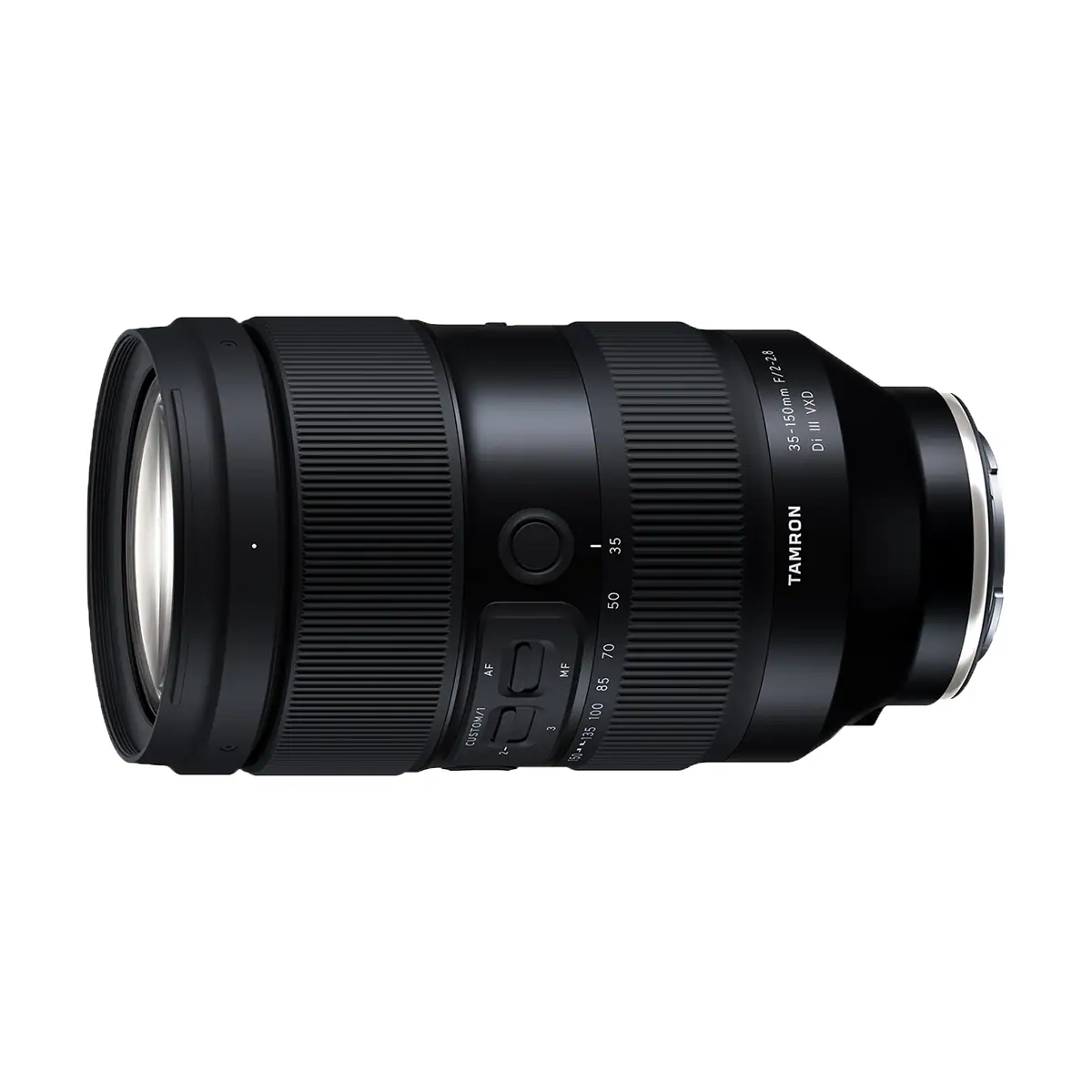
For photographers who want even more reach and aperture flexibility, Tamron also offers the Tamron 35-150mm F2-2.8 Di III VXD, a larger portrait zoom designed for wedding, event, and portrait photographers who need extended focal length coverage.
Tamron 35-100mm F/2.8 Di III VXD Quick Specs
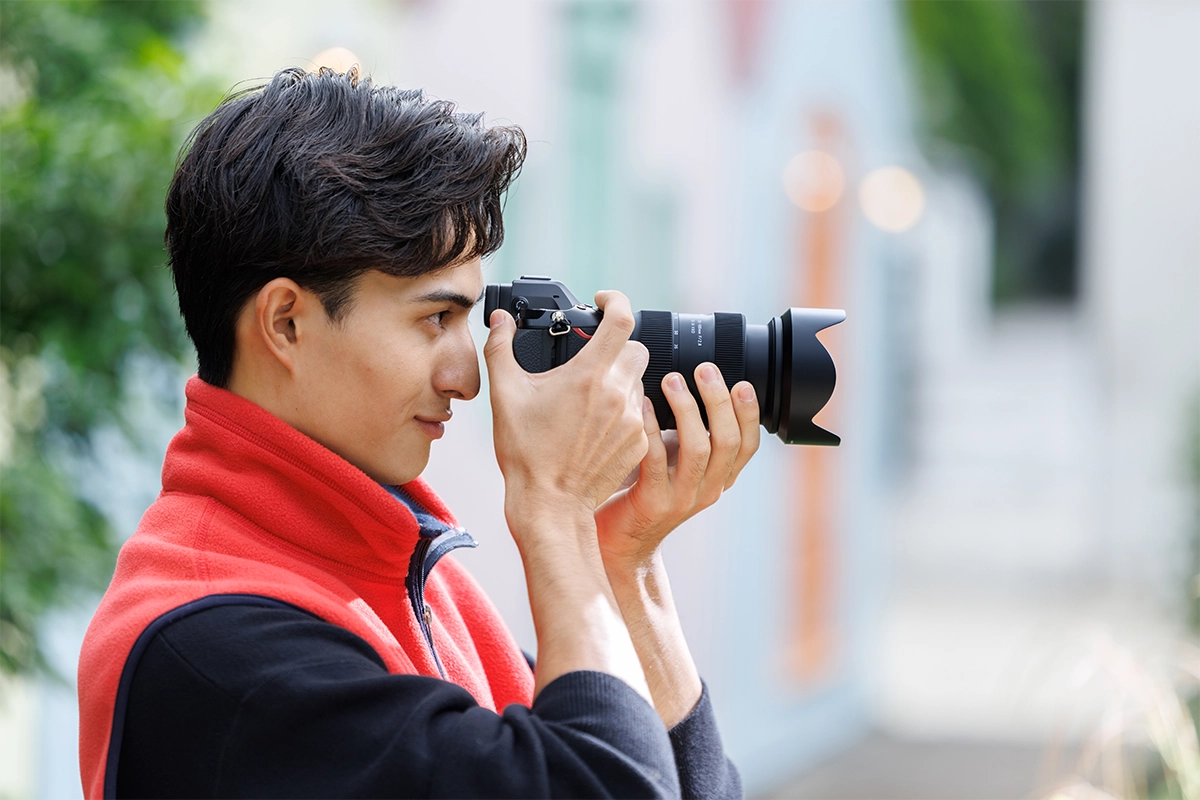
Focal length: 35-100mm
Aperture: f/2.8
Mount: Sony E and Nikon Z
Size/weight: 4.7” (119.2mm) / 19.9 oz.(565g) for Sony | 4.8” (121.5mm) / 20.3 oz. (575g) for Nikon
Minimum focus distance: 8.7” (0.22m) @ 35mm
Max. magnification: 1:3.3
Filter size: Ø67mm
Why I Tested the Tamron 35-100mm F2.8 Portrait Lens
I wanted to compare it against the Tamron 35-150mm and see how the Tamron 35-100mm F/2.8 Di III VXD would perform as a dedicated portrait lens in real-world shooting situations.
Real-World Portrait Photography Test: Magic of Cowboys Workshop

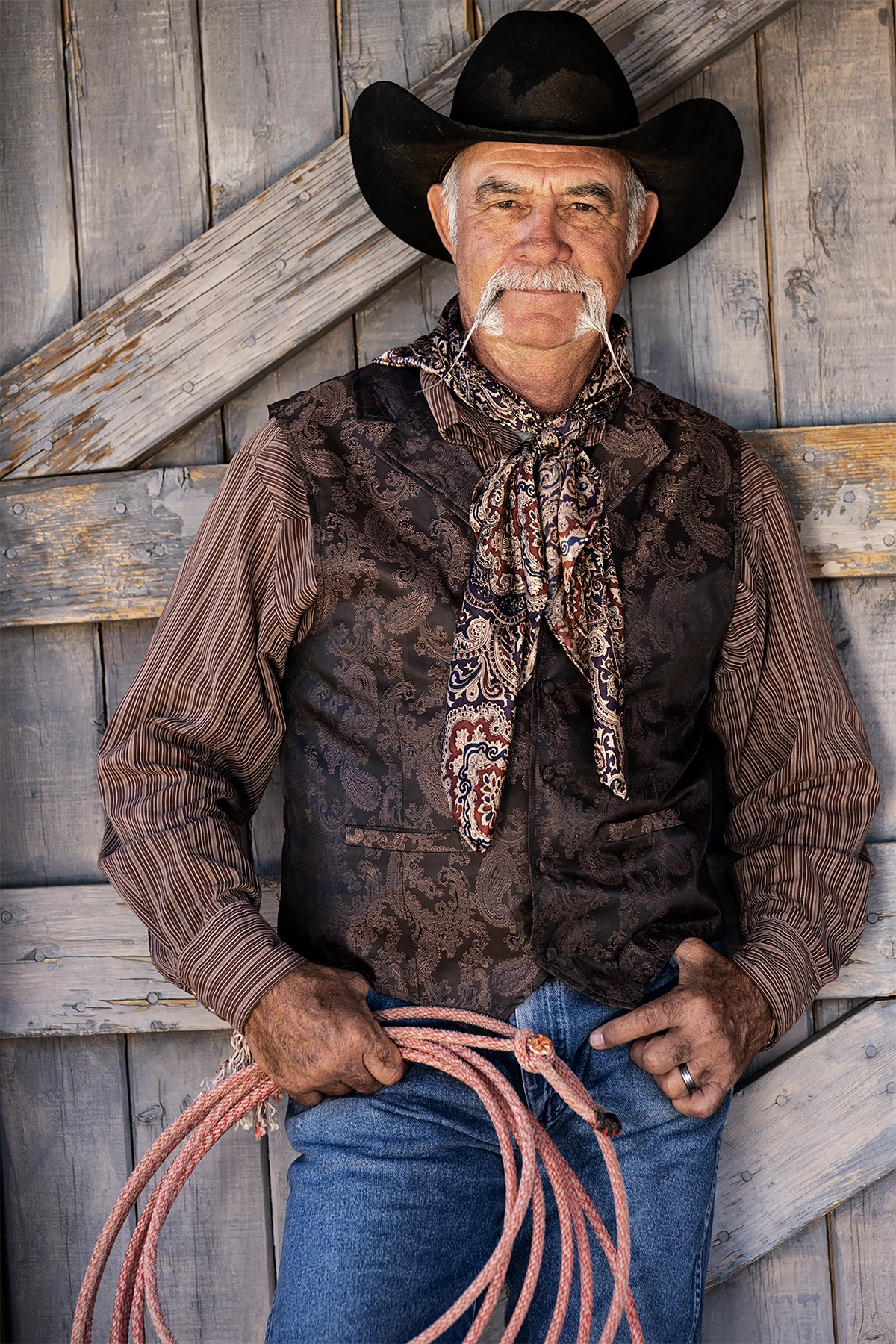
I put the lens through its paces at Lisa Langell’s Magic of Cowboys workshop, photographing cowboys and cowgirls entirely in natural light. Using only reflectors to shape and soften the light, the 35-100mm proved incredibly responsive and consistent.
Autofocus locked on quickly and confidently, even when subjects were moving or when light levels shifted. The rendering was clean and sharp, skin tones looked natural, textures in denim, leather, and weathered hats came through with real character, and the background falloff felt smooth and intentional.
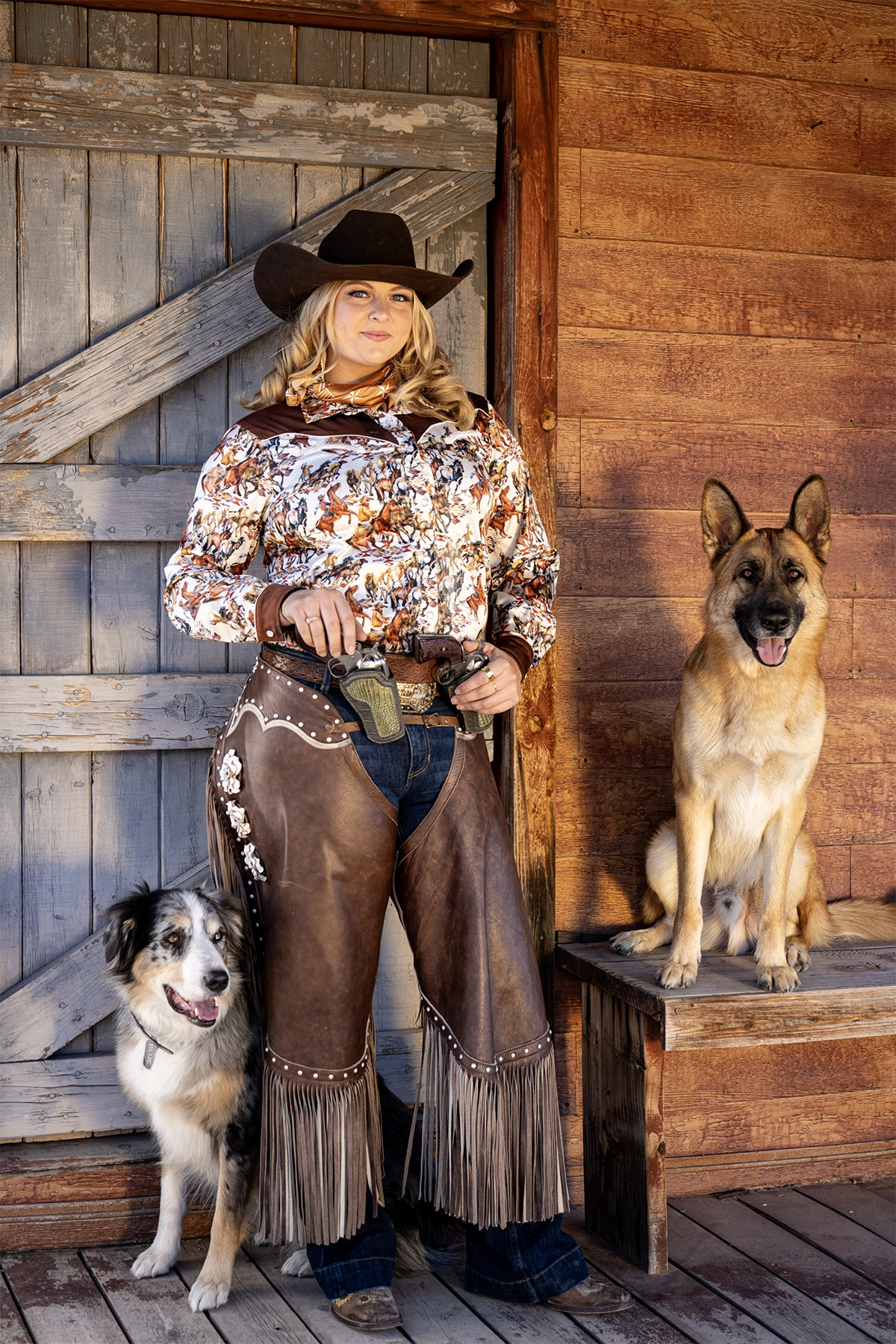
What impressed me most was how the lens encouraged a fluid shooting rhythm. I could stay engaged with my subjects, adjusting framing and perspective without breaking connection or changing lenses. At 35mm, I captured portraits that felt grounded in place; at 85-100mm, I isolated expressions and subtle gestures that defined each cowboy and cowgirl’s personality.
Paired with simple reflectors and available light, the Tamron 35-100mm delivered professional-level results with a refreshingly straightforward approach—letting the story, the light, and the people take center stage.
Build Quality and Handling of the Tamron 35-100mm F2.8

The build quality of the Tamron 35-100mm lens strikes an impressive balance between durability and portability, feeling solid and reassuring in hand without being excessively heavy. Its construction exhibits tight tolerances and smooth control rings—zoom and focus both move with just the right amount of resistance, giving a confident, professional feel.
Weather sealing adds a practical layer of protection for outdoor shoots, and the lens’s light yet robust design makes it comfortable to use over extended sessions. Overall, the Tamron 35-100mm F2.8 feels like a well-engineered piece of glass that inspires confidence whether you’re on location or working in challenging natural-light environments.
Autofocus Performance of the Tamron 35-100mm F/2.8 Di III VXD

The Tamron 35-100mm F/2.8 Di III VXD autofocus is impressively quick and reliable, locking onto subjects with confidence even in fluctuating natural light. During my shoot at the workshop, it smoothly tracked faces and subtle movements without hunting or hesitation. The combination of speed and accuracy made it easy to stay focused on capturing authentic portrait moments rather than worrying about technical frustrations.
Optical Quality and Portrait Image Results

The optical quality of the Tamron 35-100mm lens is outstanding, delivering crisp, detailed images across its entire zoom range with excellent control of chromatic aberrations and minimal distortion. Highlights are rendered smoothly and pleasingly, while contrast stays strong even in challenging natural-light conditions like those I encountered at the cowboy workshop.
Portraits taken with the Tamron 35-100mm F2.8 show beautiful subject separation and a creamy background falloff that enhances the character of each subject without distracting artifacts. Overall, the lens produces professional-level image quality and bokeh that feels both rich and reliable for portrait photography and a wide variety of shooting situations.
Close-Up Performance and Minimum Focus Distance
While the close-up performance of 1:3.3 macro at 35mm is nice, this was something I did not focus on for this shoot. The Tamron 35-100mm F2.8 does offer useful close-focusing ability, which can be helpful for capturing detail shots or environmental elements during portrait sessions.
Tamron 35-100mm vs Tamron 35-150mm Comparison
Bottom line:
Prime lenses excel when you want the shallowest depth of field possible, while the Tamron 35-100mm F2.8 excels when you want flexibility, speed, and multiple portrait perspectives in one lens.
Portrait Focal Lengths Inside the Tamron 35-100mm Range
One of the strengths of the Tamron 35-100mm F/2.8 Di III VXD is that it includes several classic portrait focal lengths within a single lens. This makes it easy for photographers to adjust their composition and perspective without switching lenses.
35mm: Environmental Portraits
At 35mm, photographers can include more of the surrounding environment in the frame. This is useful when the location adds context to the portrait, such as the western setting at the Magic of Cowboys workshop. Environmental portraits help tell a fuller story about the subject and their surroundings.
50mm: Natural-Looking Portraits
Around 50mm, portraits tend to look very natural and similar to how the human eye sees a scene. This focal length works well for casual portraits, lifestyle photography, and situations where you want a balanced perspective without distortion.
85mm: Classic Portrait Compression

The 85mm focal length is widely considered one of the best choices for portrait photography. It offers flattering compression that gently separates the subject from the background while maintaining natural facial proportions. Many photographers consider it one of the most versatile focal lengths for portraits, which is why it frequently appears in guides to the best portrait lenses for Sony E-mount cameras and the best portrait lenses for Nikon Z mount cameras
100mm: Tight Headshots and Strong Subject Separation

At the long end of the lens, 100mm provides tighter framing and stronger background compression. This makes it especially effective for headshots and expressive portrait details, where isolating the subject is the priority.
Together, these focal lengths allow the Tamron 35-100mm F2.8 portrait lens to cover a wide range of portrait styles—from storytelling environmental images to tightly framed headshots—all without changing lenses.
Features I Loved Most (And Why)
Features I Loved:
- Fast aperture at F2.8 allowing for low-light shooting and soft portrait backgrounds
- Perfect focal length in one lens for portraits, both single or multiple people
- Great lens for a long day of shooting due to its size and weight
Why These Features Mattered in Real Shooting:
The constant F2.8 aperture made it easy to create soft background blur and strong subject separation, which is especially important for portrait photography. The 35-100mm focal range also meant I could move between wider environmental portraits and tighter compositions without switching lenses.
Because the lens is compact and lightweight, I was able to shoot comfortably throughout the workshop without fatigue. That made it easier to stay engaged with my subjects and focus on capturing authentic expressions and moments.
What Surprised Me About the Tamron 35-100mm F2.8
What surprised me most about the Tamron 35-100mm F2.8 portrait lens was the speed of the autofocus and the sharpness of the images. Even when shooting wide open, the lens delivered crisp detail and reliable performance throughout the shoot.
Who the Tamron 35-100mm F2.8 Is Best For
This lens is ideal for:
- Travel photography
- Portrait photography
- Event photography
This lens might not be best for:
- Wildlife photography
My Favorite Camera Settings for Portrait Photography With This Lens

I was typically working in Manual mode, wide open or close to it at F2.8-F5 to separate the subject from the background but slightly stopped down when I wanted just a little more depth of field. I also kept the ISO as low as possible (100-400) for clean files. Shutter speed I kept around 1/250th, fast enough to keep movement sharp while photographing people.
Final Thoughts
Tamron’s new 35-100mm F2.8 feels purpose-built for photographers who live in the portrait space but don’t want to be weighed down by oversized glass. The focal range hits the sweet spot—wide enough at 35mm for environmental portraits and storytelling frames, then smoothly transitioning through the classic 50mm and 85mm looks before landing at a flattering 100mm.
Throughout the range, the constant F2.8 aperture delivers beautiful subject separation while still being practical for real-world shooting. What stood out immediately was how compact and well-balanced the Tamron 35-100mm F2.8 Di III VXD felt in hand, especially during long shooting days where comfort actually matters.
Expert Verdict: The Tamron 35-100mm F/2.8 Di III VXD is an excellent choice for portrait photographers who want professional image quality, fast autofocus, and a compact zoom that’s comfortable to carry all day.
Real-World Uses of the Tamron 35-100mm Lens
- Portrait photography (this article)
- Travel photography review
- Vacation photography review
Best Tamron Lenses for Portrait Photography
The Tamron 35-100mm F/2.8 Di III VXD sits among several excellent Tamron lenses for portrait photographers. Depending on your shooting style, you may also consider:
- Tamron 35-150mm F/2-2.8 Di III VXD – More reach and versatility for weddings and events
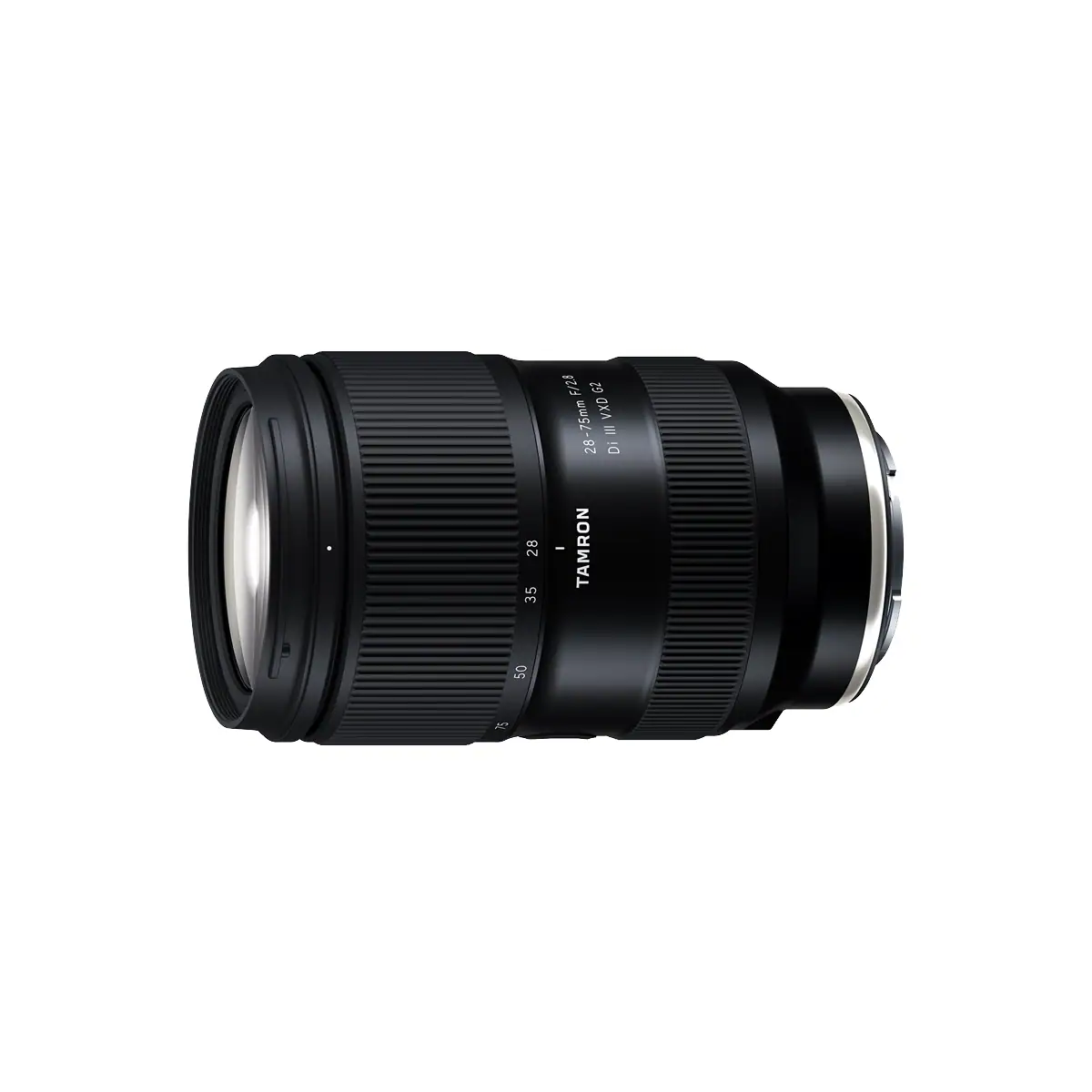
- Tamron 28-75mm F/2.8 Di III VXD G2 – A lighter everyday portrait zoom
- Tamron 90mm F/2.8 Di III VXD Macro – Ideal for detailed portrait and beauty photography
For photographers who prioritize portability and portrait-friendly focal lengths, the Tamron 35-100mm F2.8 offers one of the most balanced options.
Where to Buy Tamron Lenses
Check out Tamron lenses at an authorized Tamron dealer near you or shop directly at the official TAMRON Store.
People Also Ask About the Tamron 35-100mm F2.8 for Portrait Photography:
Is the Tamron 35-100mm F/2.8 Di III VXD sharp wide open?
Yes. The Tamron 35-100mm F/2.8 Di III VXD delivers excellent sharpness even when shooting wide open. Portrait photographers can expect crisp detail along with smooth background blur.
Is it good for portraits?
Yes. The 35-100mm focal range covers several classic portrait focal lengths, making it an excellent portrait zoom lens for both environmental portraits and tighter compositions.
How does it perform in low light?
The constant F2.8 aperture allows the Tamron 35-100mm to perform well in low light, helping photographers maintain faster shutter speeds and lower ISO settings.
Does it focus close enough for detail shots?
Yes. With a minimum focusing distance of 8.7 inches at 35mm and a maximum magnification of 1:3.3, the lens can capture detail shots during portrait sessions.
Who should buy the Tamron 35-100mm F/2.8 Di III VXD?
Portrait, event, and travel photographers looking for a compact professional zoom with excellent image quality and fast autofocus will benefit most from the Tamron 35-100mm F2.8.
About the Author

Ken Hubbard is a Technical Representative for Tamron Americas and an experienced wildlife photographer and educator. He regularly teaches photography techniques and equipment selection through workshops, seminars, and industry events. Read Ken’s full bio >>