Instant Savings
 Rebate Claims
 Support
 Find a Dealer
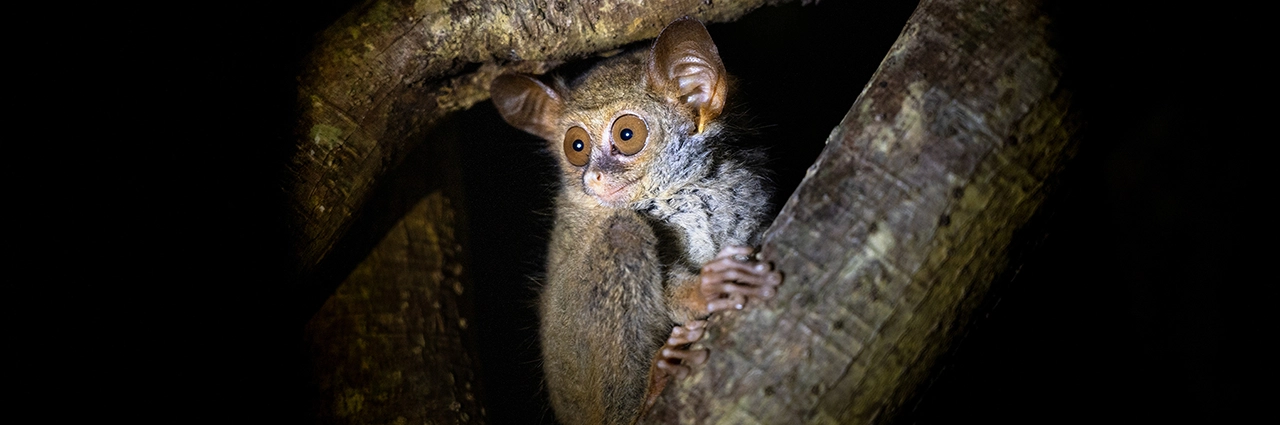
Great photography happens when you show people something they haven’t seen before. That might be an unfamiliar destination, a fleeting moment, or a fresh perspective on a well-known subject. When photographing abroad, I rely on gear that offers flexibility, reliability, and performance without adding unnecessary weight to my kit.
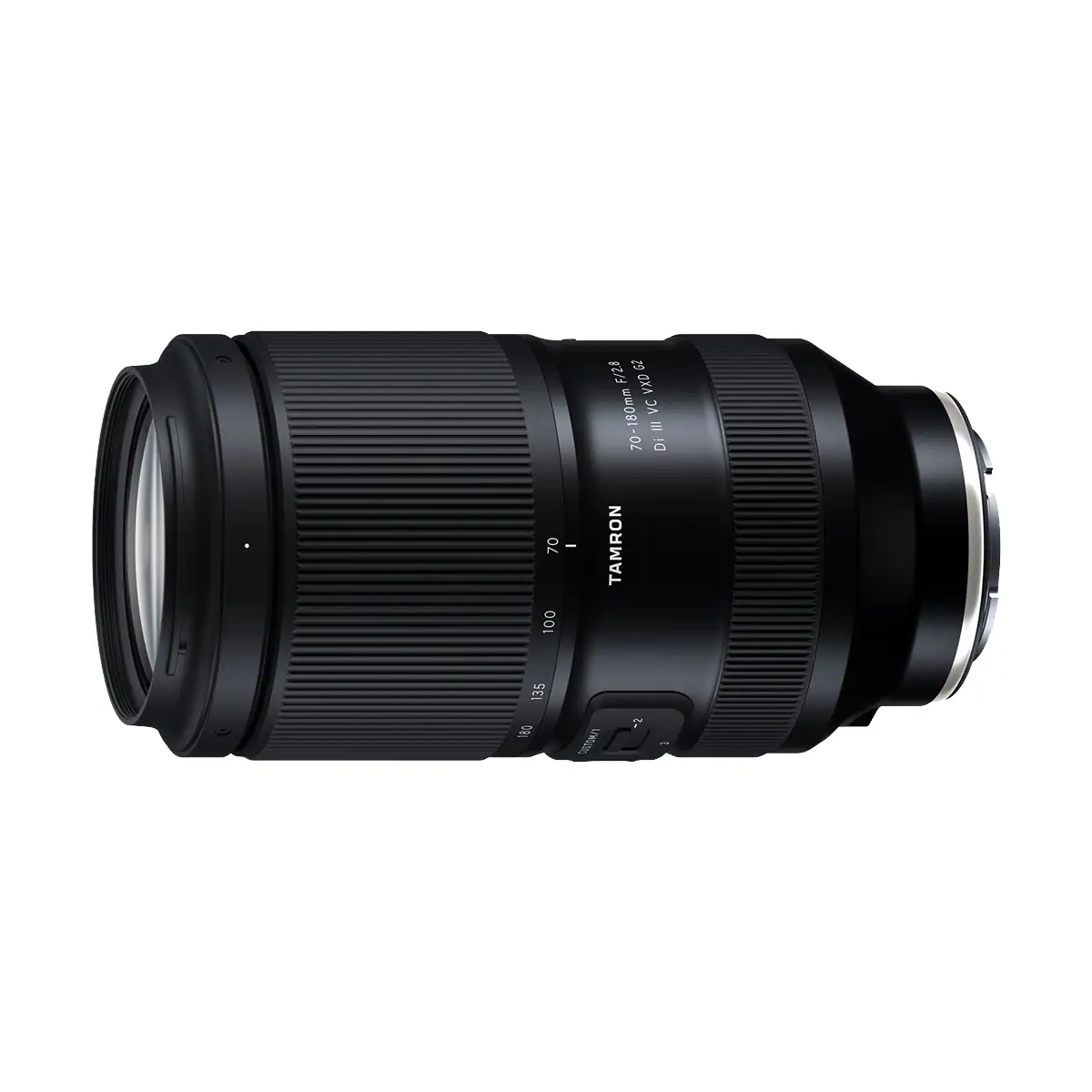
During a recent trip focused on travel photography in Indonesia, I used the Tamron 70-180mm F/2.8 Di III VC VXD G2 (Model A065) on a Sony E-mount full-frame mirrorless camera to photograph wildlife, landscapes, and everyday moments across a wide range of environments.
From dense tropical forests to open volcanic landscapes, this lens gave me the freedom to respond quickly and creatively in constantly changing conditions.
What You’ll Learn In This Tamron 70-180mm Travel Photography Review:
- How the Tamron 70-180mm F2.8 G2 performs for travel photography in Indonesia
- Why the constant F2.8 aperture matters for low-light and subject isolation
- How VXD autofocus and VC stabilization support real-world shooting
- What makes this lens effective for wildlife and intimate landscapes
- Who this lens is best suited for on Sony E-mount and Nikon Z systems
About Me and the Shooting Conditions on This Trip
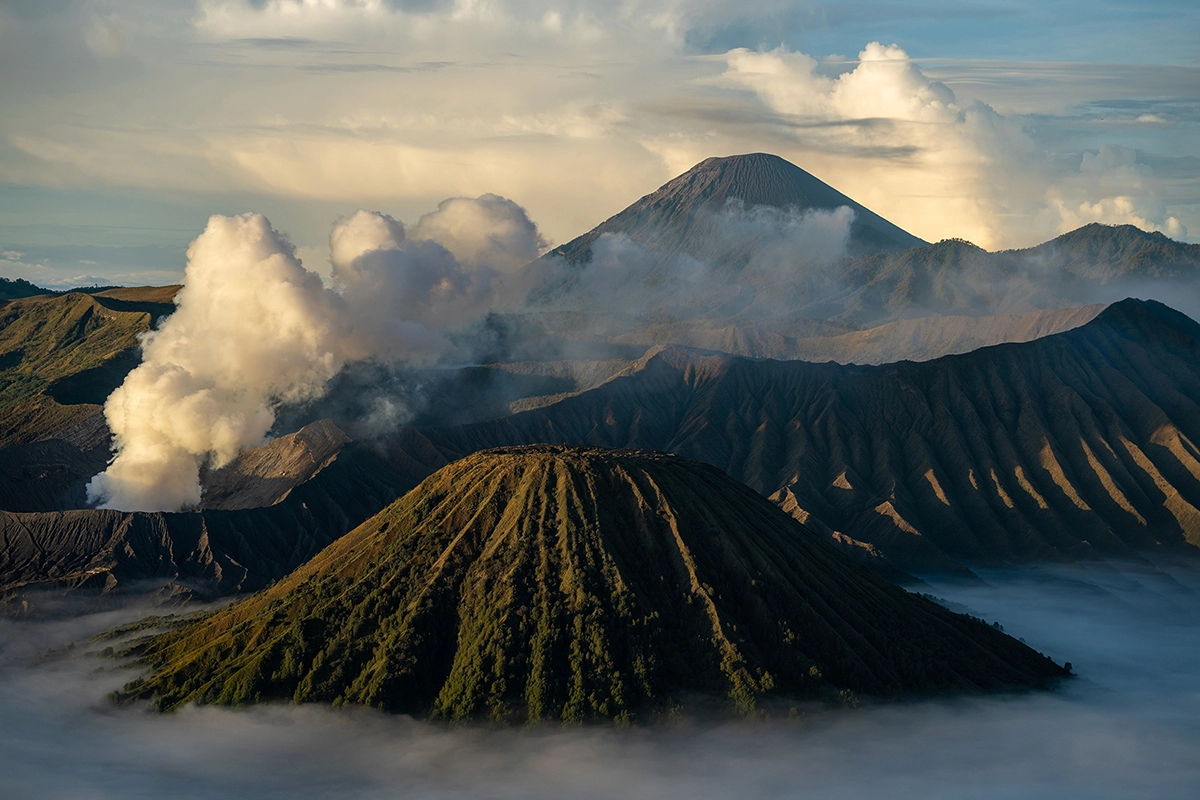
I approach travel photography as a way to explore unfamiliar places while staying alert to moments that reveal something deeper about a location. My shooting style is fluid and responsive—I often move between wildlife encounters, intimate landscapes, and small environmental details depending on what unfolds in front of me.
On this trip to Indonesia, I photographed:
- Wild orangutans in dense jungle environments
- Komodo dragons in open, rugged terrain
- Volcanic landscapes in the Bromo region
- Travel details and scenes of daily life
- Close-up natural textures, flowers, and patterns
I traveled with a Sony full-frame mirrorless camera, a lightweight support kit, and the Tamron 70-180mm F/2.8 Di III VC VXD G2. While I used the Sony E-mount version on this trip, the lens is also available for Nikon Z mirrorless cameras, making it a compelling choice for photographers using either system.
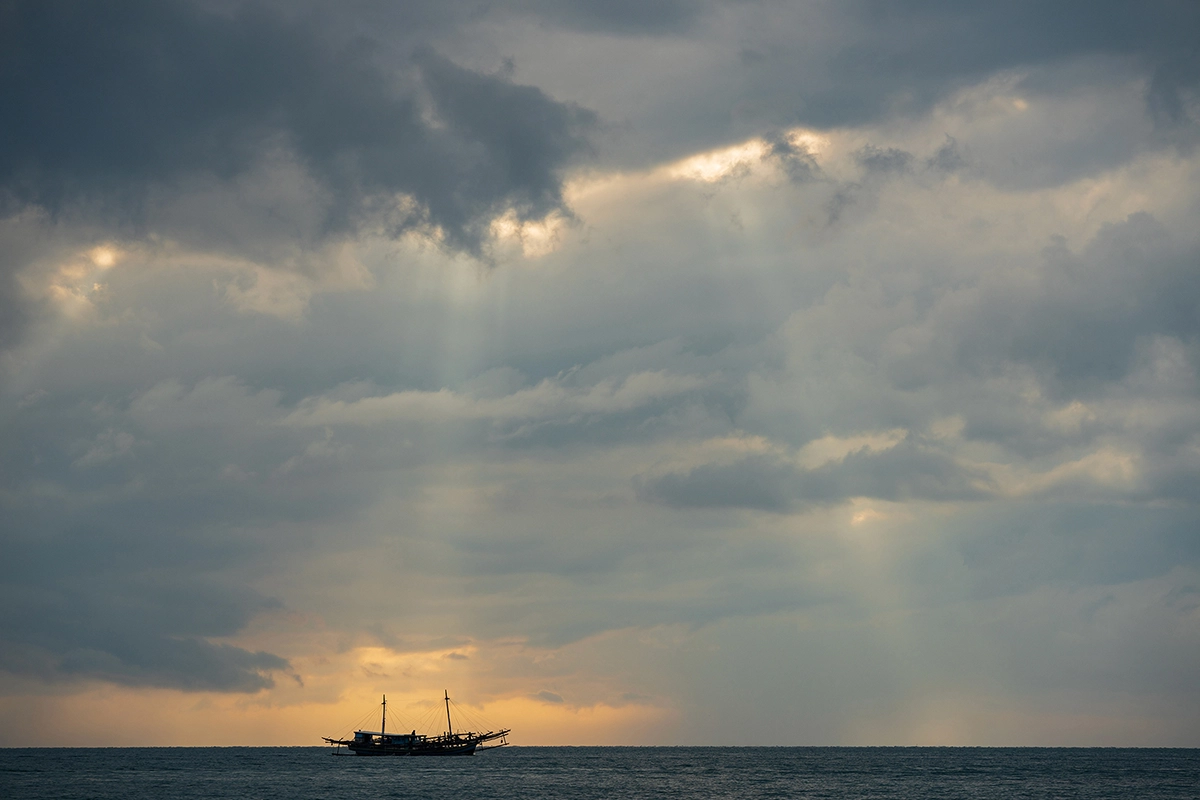
Shooting conditions ranged from humid jungles and low-light forests to open volcanic plains and harsh midday sun—an ideal test for a travel telephoto zoom.
First Impressions Using the Tamron 70-180mm F2.8 G2 for Travel Photography in Indonesia
Build, Balance, and Handling in the Field
From the moment I mounted the lens, it felt well balanced on my mirrorless body. The compact design immediately stood out—noticeably smaller and lighter than traditional 70-200mm F2.8 lenses—yet solid and confidence-inspiring.
The refined G2 design feels purposeful and uncluttered, with smooth zoom and focus rings that made adjustments intuitive while shooting quickly in the field.
Carrying the Lens Through Long Travel Days
Indonesia often meant long days on foot, moving between locations and reacting quickly to unexpected opportunities. Carrying the 70-180mm F2.8 G2 all day never felt like a burden. The reduced size and weight encouraged me to keep the lens mounted rather than packed away, which made a real difference in staying ready.
This portability is a major advantage for travel photographers using Sony E-mount or Nikon Z mirrorless systems who want telephoto reach without excessive bulk.
How It Performed in Tropical Conditions
Humidity, dust, and rapidly changing weather are a reality in Indonesia. The lens’s moisture-resistant construction gave me confidence while working in challenging environments. I never felt the need to stop shooting or protect the lens when conditions shifted.
Autofocus Performance of the Tamron 70-180mm F2.8 G2 in Real Travel Scenarios
The VXD autofocus system proved fast, accurate, and dependable throughout the trip—qualities I rely on when photographing wildlife and fleeting moments
Tracking Wildlife in Unpredictable Environments
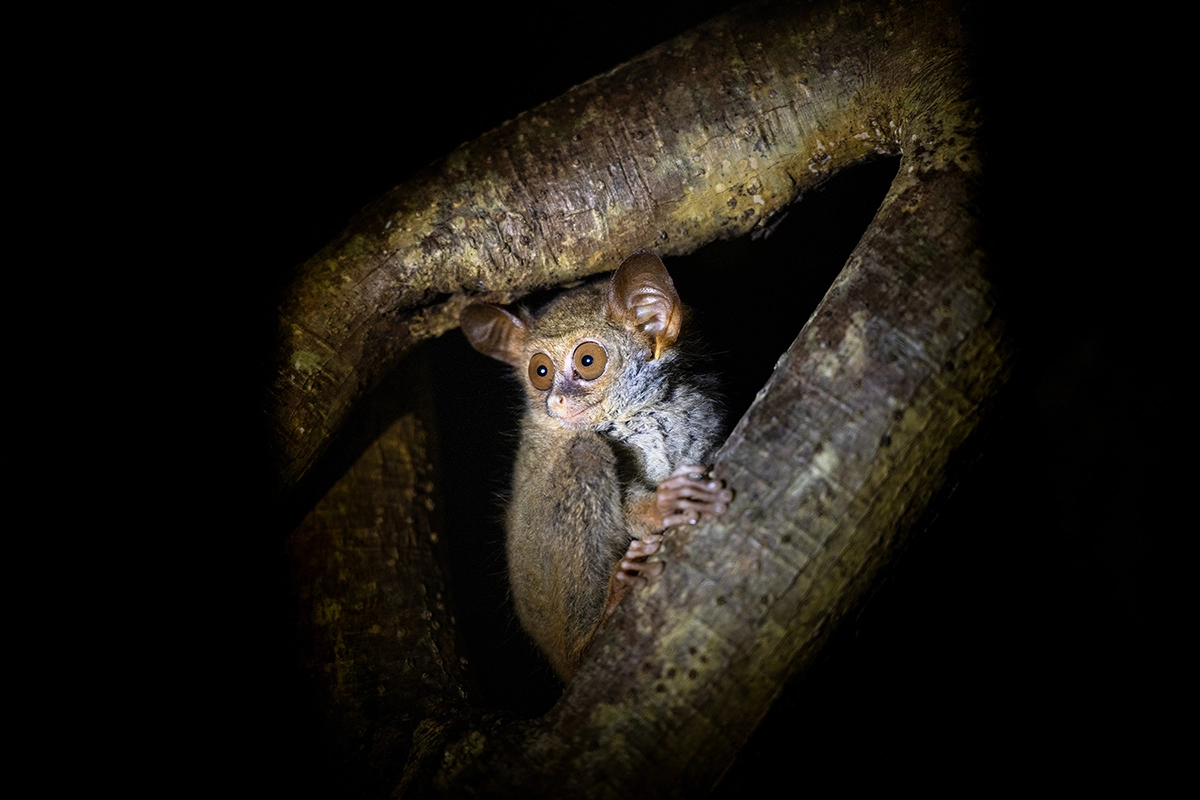
Photographing orangutans and Komodo dragons requires fast response times. The autofocus locked on quickly and tracked movement reliably, even when subjects changed direction or moved through complex backgrounds.
Focusing Accuracy in Low Light and Shade
Dense jungle canopies and shaded forest floors present autofocus challenges. The lens handled low-light focusing confidently, locking onto subjects without hesitation or visible hunting.
Quick AF for Candid Travel Moments
Travel photography often means reacting instantly. Whether isolating a detail or reframing a scene, the autofocus responded immediately—helping me capture moments that would otherwise be missed.
Optical Performance of the Tamron 70-180mm F2.8 G2 in Indonesia Travel Photography
Optically, the 70-180mm F2.8 G2 delivered consistently strong results across the wide range of environments I encountered.
Sharpness Across the Zoom Range
From 70mm through 180mm, the lens produced crisp detail with excellent clarity. Even wide open at F2.8, sharpness was more than sufficient for wildlife, landscapes, and travel imagery.
Edge-to-Edge Clarity for Landscapes Details
When isolating volcanic ridges and layered terrain, edge performance held up well, allowing me to compose confidently without worrying about soft corners.
Color, Contrast, and Overall Rendering
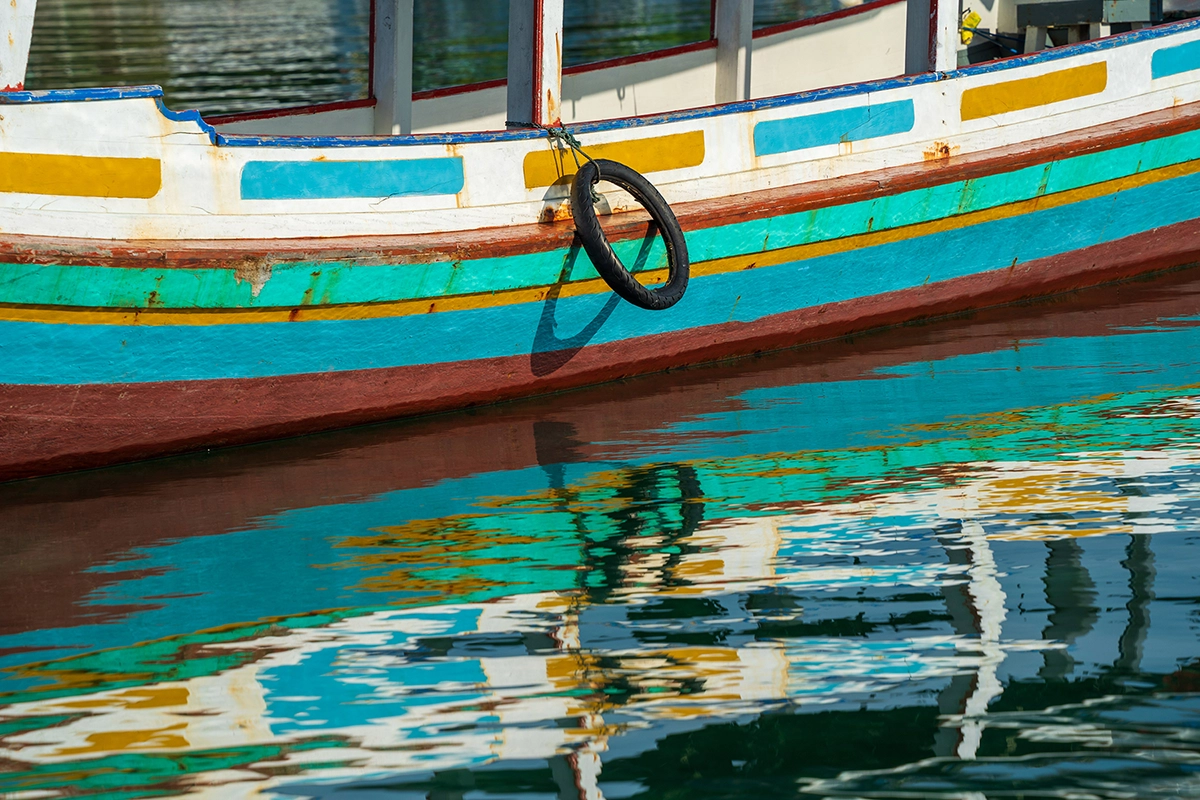
Colors appeared natural and balanced, with strong contrast that helped textures and patterns stand out. Volcanic landscapes, foliage, and earth tones rendered cleanly without excessive saturation.
Flare Resistance in Backlit Scenes
Backlit scenes—such as sunlit volcanic slopes and high-contrast environments—were handled well, with minimal flare and good contrast retention.
Bokeh and Subject Separation with the Tamron 70-180mm F2.8 G2
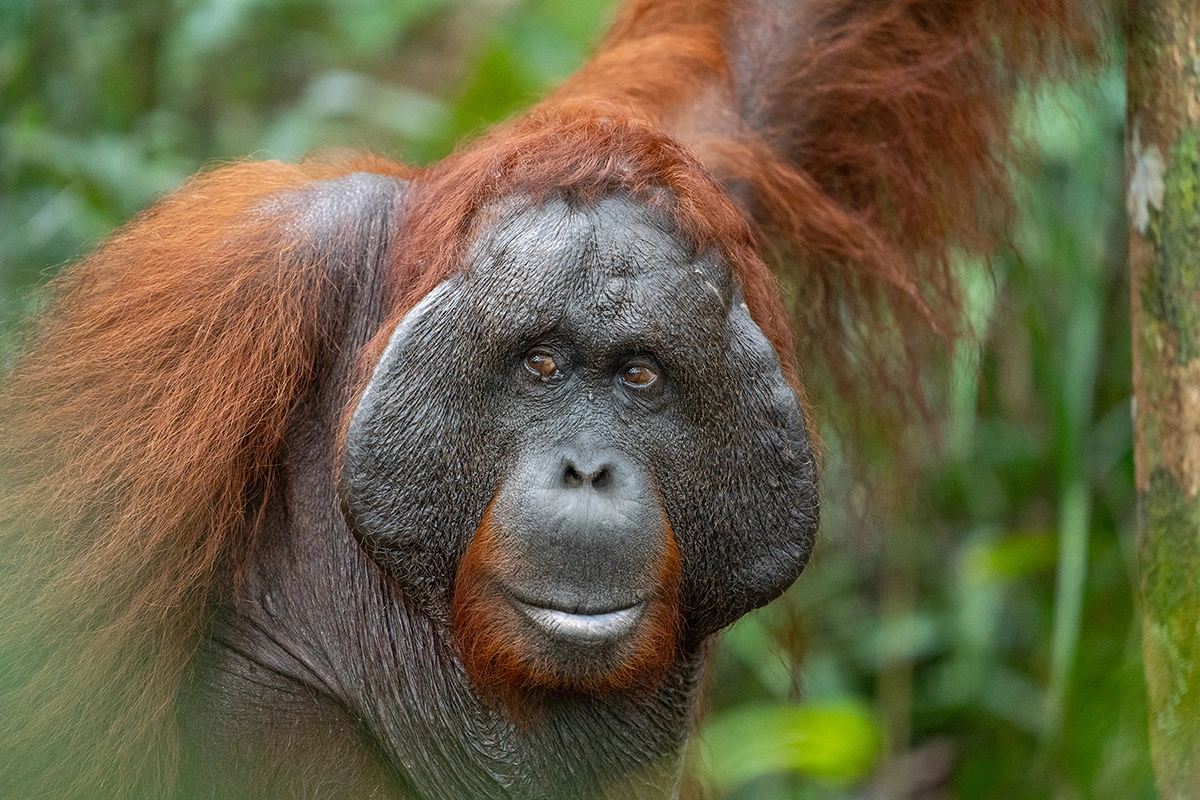
The ability to isolate subjects is one of the strongest creative advantages of this lens.
At telephoto focal lengths and F2.8, backgrounds fell away smoothly, helping wildlife and environmental details stand out clearly from their surroundings. Close-up images of natural textures and flowers benefited from soft background rendering that added depth without distraction.
This level of subject separation adds visual impact to both wildlife and travel detail photography.
Travel Photography Features That Set the Tamron 70-180mm F2.8 G2 Apart

Close Focusing for Small Details
With a minimum object distance of 11.8” (0.3m) at 70mm and a maximum magnification ratio of 1:2.6, the lens allowed me to move easily from distant subjects to close-up details. Flowers, textures, and small elements became compelling subjects without switching lenses.
VC Stabilization for Handheld Shooting
Tamron’s VC (Vibration Compensation) image stabilization helped maintain sharp images when shooting handheld, especially in low light or while moving—an important advantage for travel photography on both Sony E-mount and Nikon Z mirrorless cameras.
A Telephoto Range That Fits Travel Photography
The 70–180mm range is ideal for isolating details, compressing landscapes, and photographing wildlife without being overly restrictive. I didn’t miss the extra 20mm found on traditional 70-200mm lenses, and the size savings were well worth it.
Durable, Travel-Ready Design
The lens felt ready for the realities of travel—frequent movement, changing conditions, and extended use—without feeling fragile or overbuilt.
Tamron Lens Utility™ Compatibility
The ability to customize function behavior through the Tamron Lens Utility™ adds flexibility for photographers who like fine control.
Field Notes Using the Tamron 70-180mm F2.8 G2 in Indonesia

The more I used this lens, the more I appreciated its adaptability. I photographed wildlife, volcanic landscapes, and intimate details without once feeling limited by the focal range or performance.
What stood out most was how rarely I thought about the lens itself. I wasn’t swapping gear or second-guessing focal lengths. That freedom allowed me to stay focused on composition, light, and storytelling—exactly what I want from a travel telephoto zoom.
Quick Takeaways: Tamron 70-180mm F2.8 G2 Travel Review
- Bright F2.8 aperture for low-light travel photography
- Fast VXD autofocus and effective VC stabilization
- Compact, lightweight alternative to traditional telephoto zooms
- Strong close-focusing capability for detail shots
- Available for Sony E-mount and Nikon Z mirrorless cameras
Final Thoughts: Is the Tamron 70-180mm F2.8 G2 a Strong Choice for Travel Photography?
After using it extensively in Indonesia, the Tamron 70-180mm F/2.8 Di III VC VXD G2 proved to be an exceptionally capable travel photography lens. It combines strong optical performance, fast autofocus, and a compact design that suits the realities of shooting on the road.
For photographers using Sony E-mount or Nikon Z mirrorless systems who want a lightweight telephoto zoom for travel, wildlife, and intimate landscapes, this lens offers a thoughtful balance of performance and portability—making it a reliable companion for destination photography.
Related Tamron 70-180mm Reviews
- Tamron 70-180mm G2 Lens Overview >>
- Portrait Photography in France with the 70-180mm G2 by Tony Boussemart
- Equestrian Sports Action Photography with Tamron 70-180mm F2.8 VC G2 by Kazuyuki Ogawa
Where to Buy Tamron Lenses
Learn more about Tamron lenses at an authorized Tamron dealer near you or shop directly at the official Tamron Store.
FAQs About the Tamron 70-180mm F2.8 G2 for Travel Photography
What camera mounts is the Tamron 70-180mm F/2.8 Di III VC VXD G2 available for?
The lens is available for Sony E-mount and Nikon Z full-frame mirrorless cameras.
Is the Tamron 70-180mm F2.8 G2 weather resistant?
Yes. It features moisture-resistant construction for added confidence when shooting in variable outdoor conditions.
How does the 70-180mm F2.8 G2 compare to a traditional 70-200mm F2.8 lens?
It is smaller and lighter, making it easier to travel with. While it gives up 20mm of reach, the reduced size and weight make it more practical for many travel photographers.
Is the Tamron 70-180mm F2.8 G2 suitable for video on Nikon Z cameras?
Yes. The smooth autofocus, VC stabilization, and consistent F2.8 aperture make it a strong option for hybrid shooters using Nikon Z mirrorless cameras.
Who should consider this lens for travel photography?
This lens is ideal for travel photographers, wildlife shooters, and landscape photographers using Sony E-mount or Nikon Z mirrorless systems who want a compact, high-performance telephoto zoom.
Is the Tamron 70-180mm F2.8 G2 good for travel photography in Indonesia?
Yes. Its compact size, bright F2.8 aperture, and reliable stabilization make it well suited for travel photography in Indonesia, where photographers often move between low-light environments, wildlife encounters, and outdoor landscapes.
Is the Tamron 70-180mm F2.8 G2 available for Nikon Z mirrorless cameras?
Yes. The lens is available for both Sony E-mount and Nikon Z mirrorless cameras, allowing photographers on either system to take advantage of its travel-friendly design and performance.
How does the 70-180mm F2.8 G2 perform for wildlife photography while traveling?
The fast VXD autofocus and useful telephoto range make it effective for wildlife photography, especially when photographing animals in natural environments where quick reactions are essential.
Can the Tamron 70-180mm F2.8 G2 be used for landscape photography?
Absolutely. While it’s not a wide-angle lens, it excels at intimate landscape photography by isolating patterns, textures, and light within larger scenes.
How close can you focus with the Tamron 70-180mm F2.8 G2?
At 70mm, the lens focuses as close as 11.8” (0.3m) with a maximum magnification ratio of 1:2.6, making it useful for close-up travel details.
About the Author

Ian Plant is a professional nature and travel photographer, author, and educator with more than 20 years of experience inspiring photographers worldwide. A Tamron Americas Ambassador, Ian is known for his striking landscape, wildlife, and aerial photography, as well as his engaging educational programs. He is the founder of Photo Masters and leads photography workshops around the globe. Through his articles for the Tamron blog, Ian shares practical techniques, creative inspiration, and professional insights to help photographers of all skill levels create stronger, more compelling images. Read Ian’s full bio>>