 Instant Savings
 Rebate Claims
 Support
 Find a Dealer
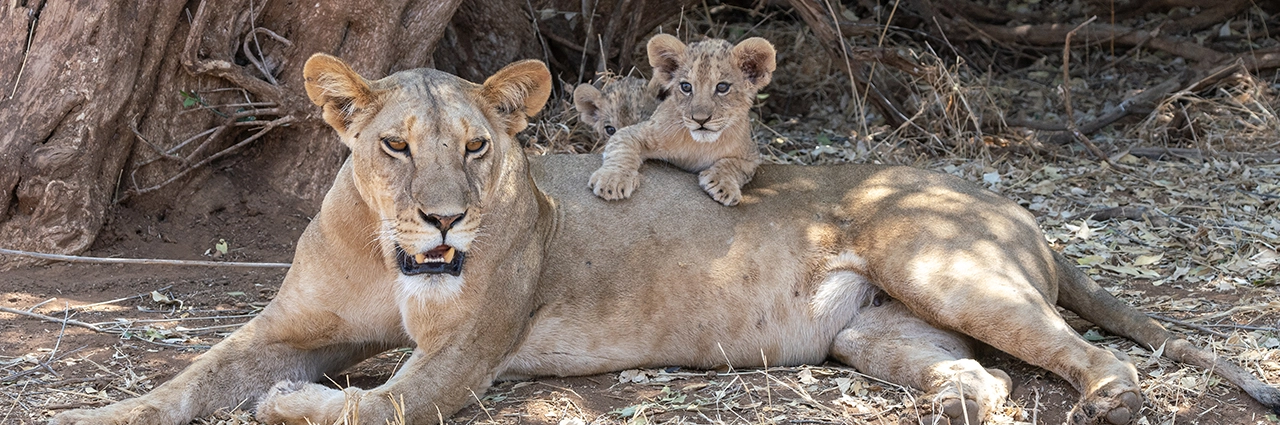
A Kenya photo safari with the Tamron 50-400mm lens was a dream come true for me as a photo enthusiast. The country’s rich wildlife and breathtaking landscapes offered endless opportunities for me to capture once-in-a-lifetime images. Whether you’re preparing for your own Kenya photo safari or researching the Tamron 50-400mm lens for wildlife photography, this article will give you firsthand insight, helpful safari photography tips, and gear recommendations to elevate your experience.
In this article, you’ll learn:
- What makes Kenya a top destination for wildlife and landscape photography
- How the Tamron 50-400mm lens performs on a real Kenya photo safari
- Key features of the lens that enhance wildlife shooting in rugged conditions
- Practical gear tips and must-have accessories for safari photography
- Techniques for capturing sharp, compelling images of animals and scenery
- Ethical photography practices to respect wildlife and preserve habitats
Why Choose Kenya for Your Photo Safari?
Kenya has long been a favorite destination for wildlife photographers. And there are many reason why:
- Wildlife Variety: The country’s diverse ecosystems support a variety of iconic animal species.
- Diverse Landscape: Kenya offers sweeping savannahs, lush forests, and stunning lakes.
- World-Renowned Game Parks: Parks like the Masai Mara are famous for events like the Great Migration.
- Cultural Opportunities: The Maasai people offer a glimpse into authentic local life.
- Accessibility: Nairobi is a central hub that offers easy connections to safari destinations through many tour operators.
- Knowledgeable Tour Operators: Working with experienced guides dramatically improves your chances of capturing wildlife.
What Lens Should You Bring On Such An African Safari?
I am an enthusiast photographer, not a professional. I chose the lightweight Tamron 50-400mm Di III VC VXD for my safari because I wanted to be sure I could handle my gear comfortably for two weeks of daily shooting. This versatile zoom lens is a popular choice among telephoto lenses for wildlife photography and answers the common question: what lens for African safari.
My Review of the Tamron 50-400mm Lens for Sony Cameras on Safari
When planning a Kenya photo safari, choosing the right lens for better shots is crucial. The Tamron 50-400mm lens stands out as an excellent option. Its versatile focal range makes it ideal for capturing distant wildlife and sweeping landscapes.
- Focal Length Range: This lens offers exceptional versatility, which is vital for safari photography. With its 50-400mm range, I could seamlessly zoom in on distant wildlife or frame landscapes without switching lenses. When wildlife wandered unexpectedly close, I used the 50mm end to capture large animals within their natural surroundings, photographing the scene without the disruption of changing lenses, unlike others in my vehicle often scrambled for wider focal lengths, risking missed shots. On the other hand, the 400mm telephoto reach provided excellent range for detailed animal portraits.
- Weather Sealing: The Tamron 50-400mm lens has solid build quality, designed to endure the rigors of outdoor photography. Its weather-sealing effectively shields against dust and moisture—common challenges in Kenya’s national parks—providing peace of mind throughout my trip. Despite my initial concerns about the pervasive dust, the lens performed flawlessly under harsh conditions. I’ll share more insights on managing dust and protecting gear later.
- Optical Performance: The optical performance of the Tamron 50-400mm lens is truly impressive, delivering sharp images with vibrant color fidelity throughout its zoom range. Whether I was capturing lions in motion or breathtaking sunsets, the lens consistently produced vivid, detailed photos. I was amazed by the sharpness and rich color rendition in every shot.
- Image Stabilization: Tamron’s VC Vibration Compensation is a vital feature of this lens, greatly assisting me in my two weeks of handheld shooting. Safaris often occur in vehicles with limited space for tripods or even monopods. Using my arms resting on the top of the Land Cruiser as my tripod, the built-in stabilization minimized blur that can occur from this type of hand-holding at longer focal lengths.
- Autofocus: Autofocus speed and accuracy are crucial for capturing fleeting moments in the wild. The Tamron 50-400mm excels here with its quick and quiet VXD autofocus system. This feature allowed me to lock onto fast-moving subjects, ensuring I didn’t miss a shot during the high-paced action of the safari.
- Compatibility with My Camera: This Tamron lens for Sony E-mount also works seamlessly with Nikon Z I used the lens on my Sony A7R III camera.
- Lightweight Design: One of the standout advantages of the Tamron 50-400mm lens for me was its lightweight design, especially when paired with my Sony mirrorless camera. This combination offered exceptional portability, making it ideal for my extensive journey across Kenya’s renowned national parks. Carrying my camera bag from safari lodges to the Land Cruiser was effortless, and the manageable weight of the camera-lens combo allowed me to shoot comfortably during every game drive—twice a day for 10 consecutive days!
With all these features, I was confident my Kenya photo safari with Tamron 50-400mm would be a success!
My Experience in Kenya’s National Parks
Exploring Kenya’s national parks, from Aberdare to Nairobi National Park, was an unforgettable adventure. Each park offered a unique experience and tested the lens’s capabilities. Its versatility truly shined across these diverse landscapes.
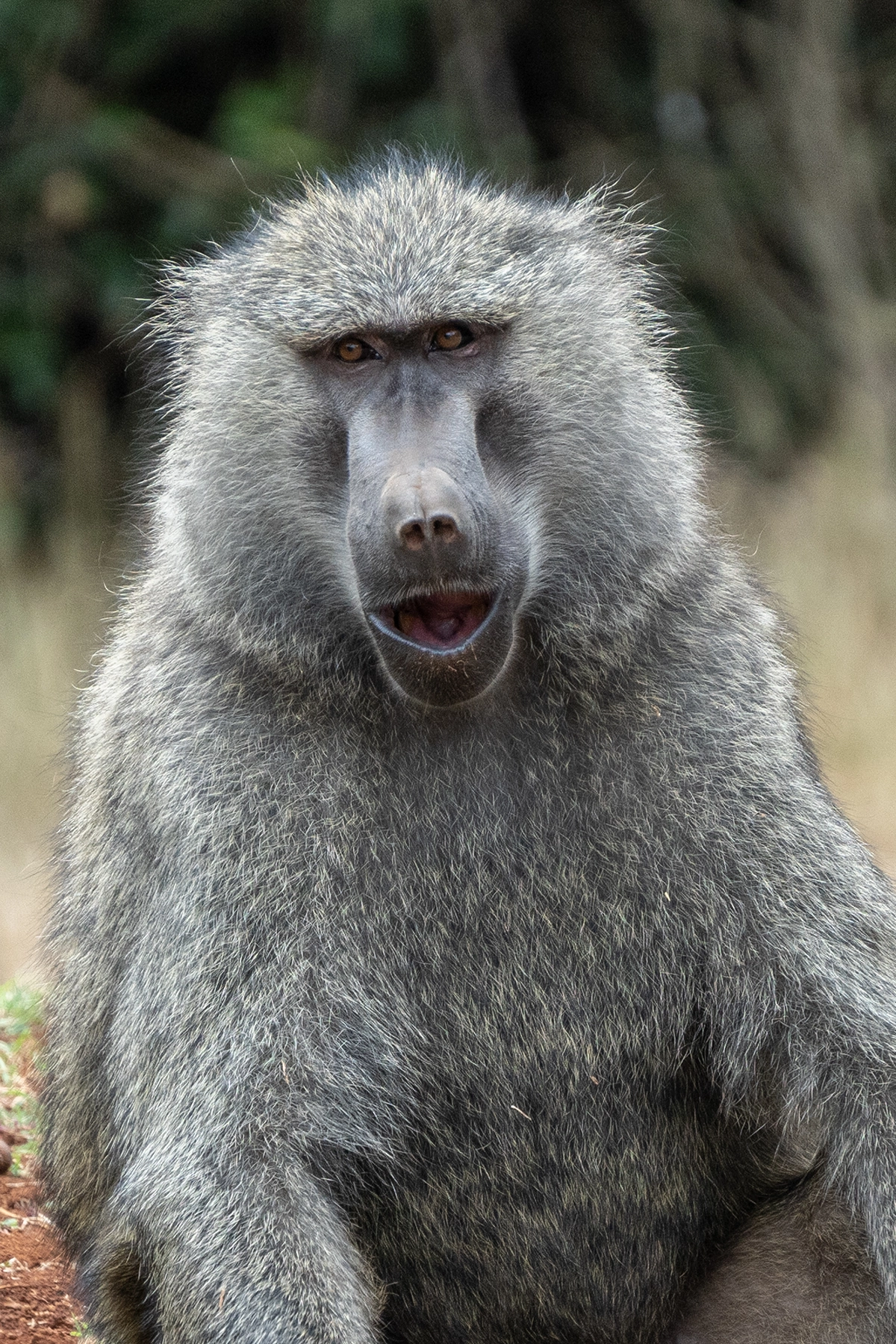
Starting in Aberdare National Park, I could easily zoom in on the baboons while walking the grounds, and photograph giraffes while horseback riding thanks to the lightweight design and VC image stabilization.
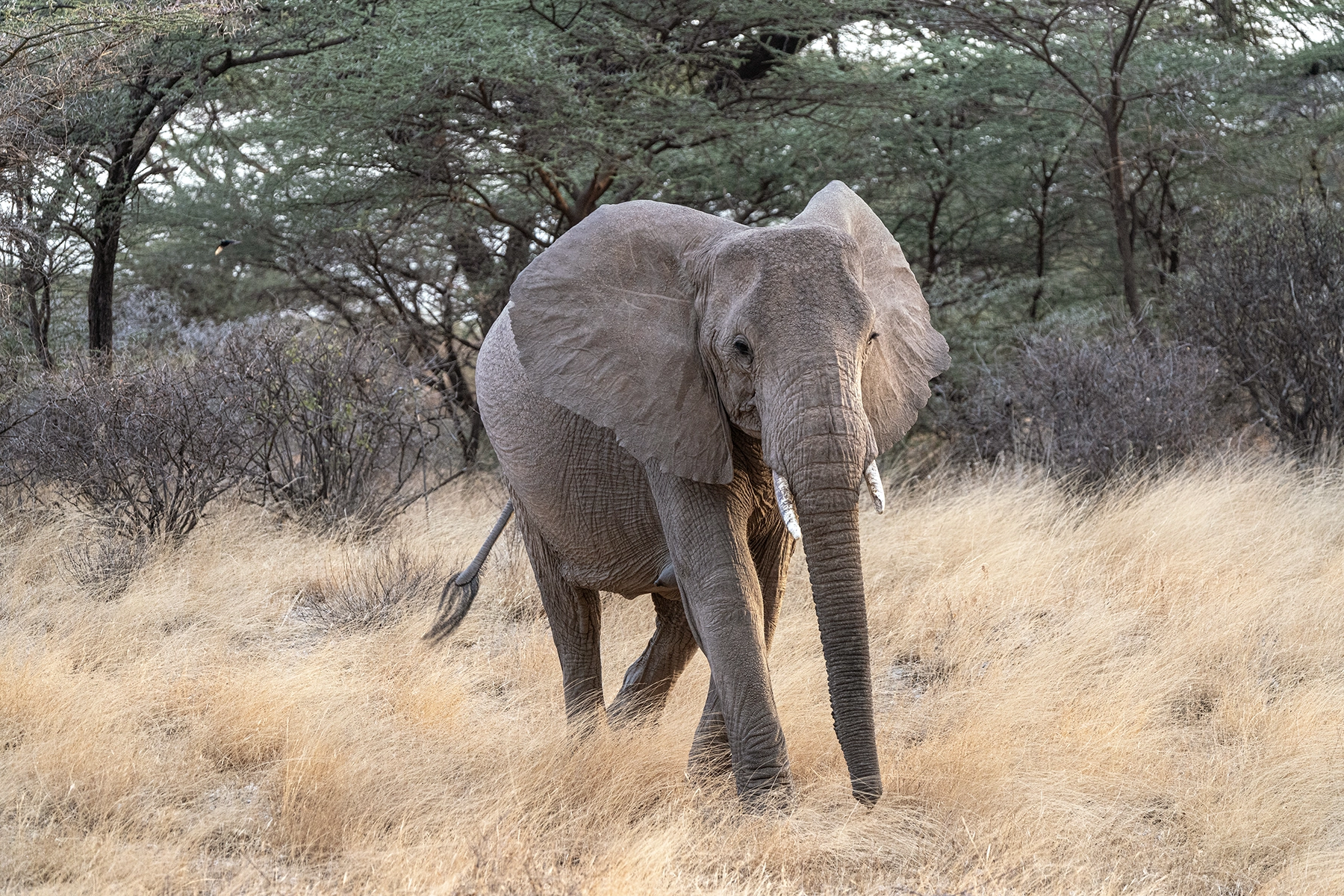
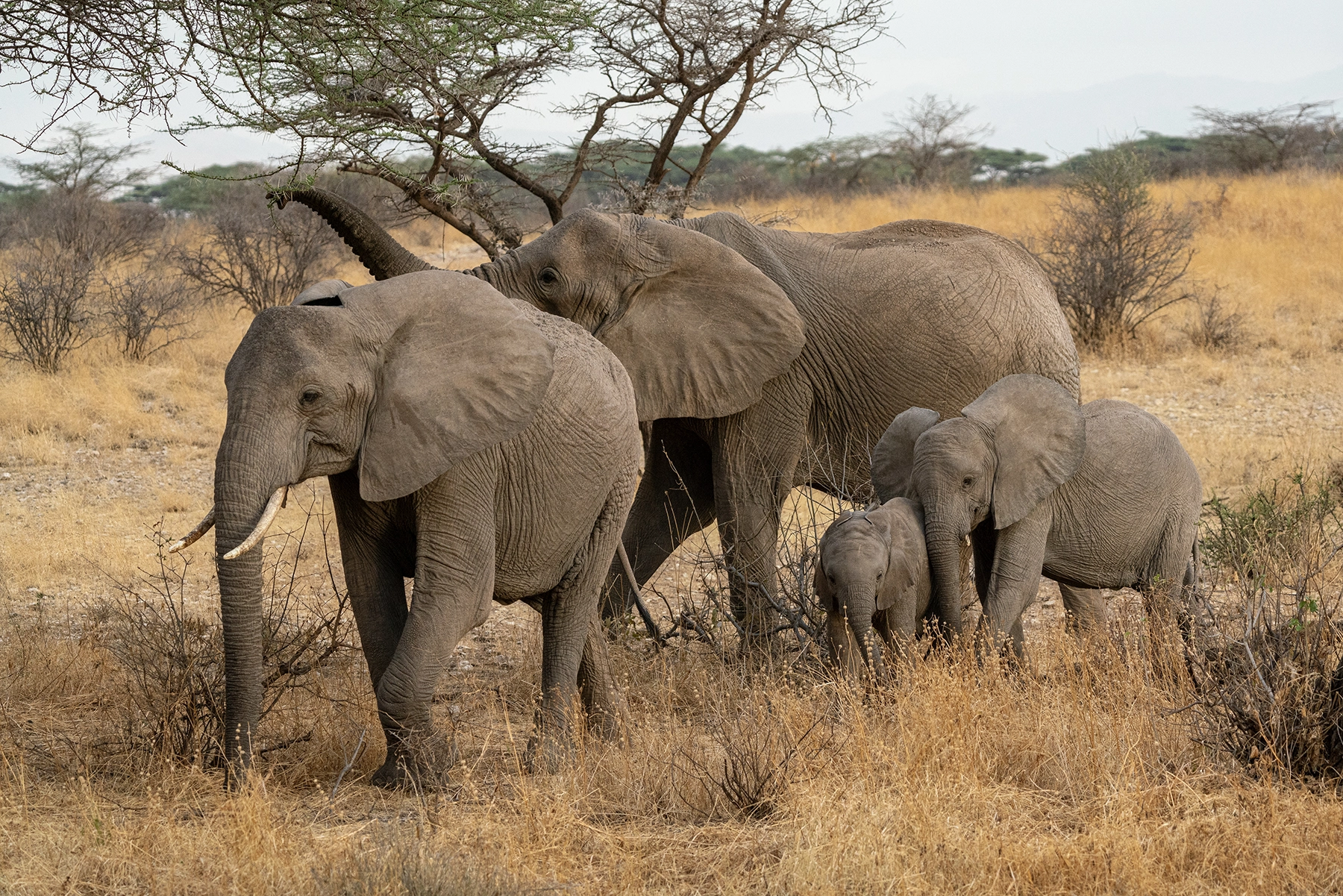
In Buffalo Springs Reserve, we came upon a family of elephants (image above). The Tamron 50-400mm lens allowed me to frame the entire family. Just a few minutes later, I captured a bull’s dramatic approach as it came remarkably close to our vehicle.
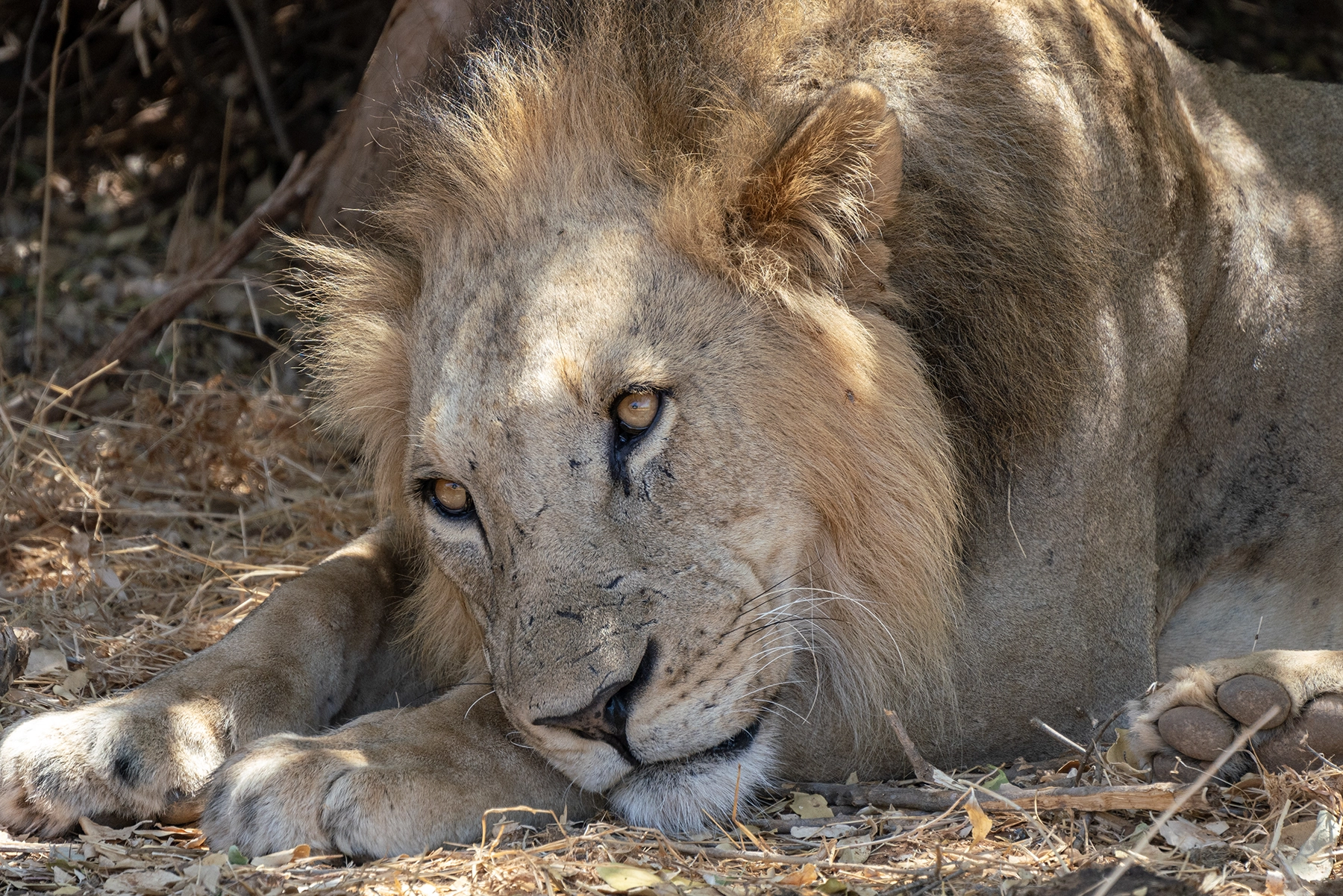
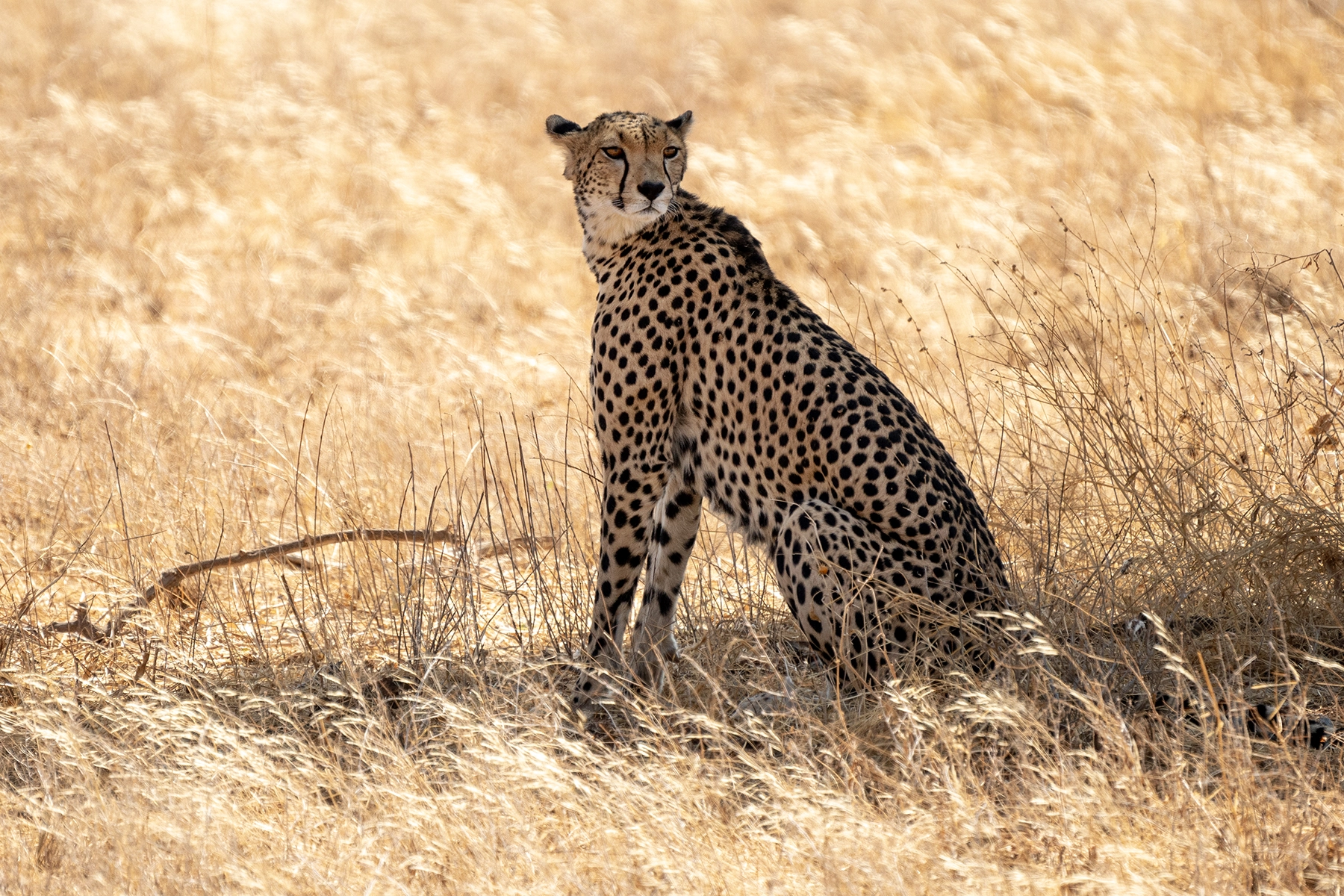
In the Masai Mara, the lens excelled during the Great Migration. I managed to get sharp photos of zebras and wildebeests in motion. It also performed well with the big cats, capturing details from a safe distance.
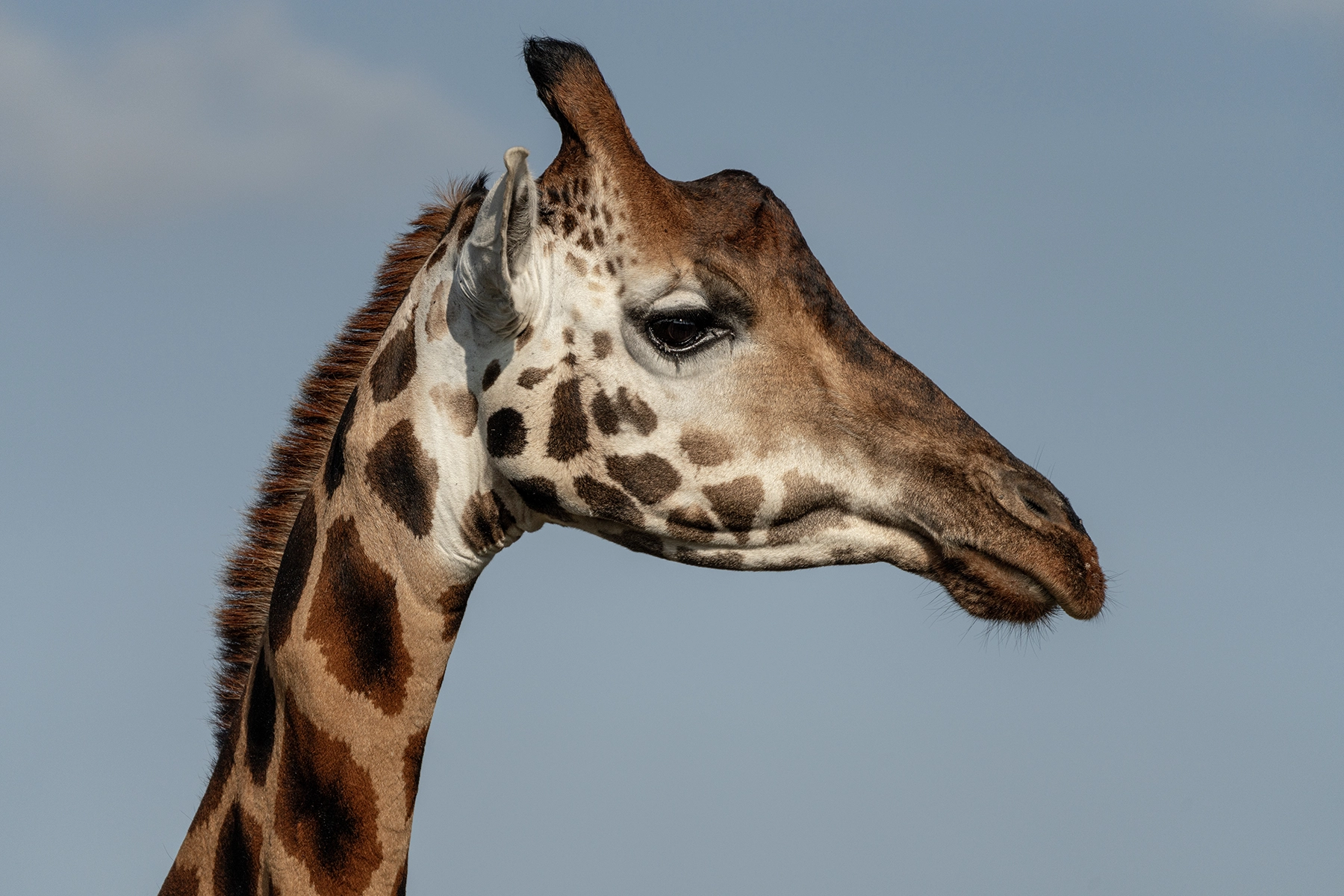
Amboseli National Park provided an incredible end to the safari. The lens captured elephants against Mount Kilimanjaro with stunning clarity. I appreciated its range for both wide and close shots that captured the lashes of a giraffe.
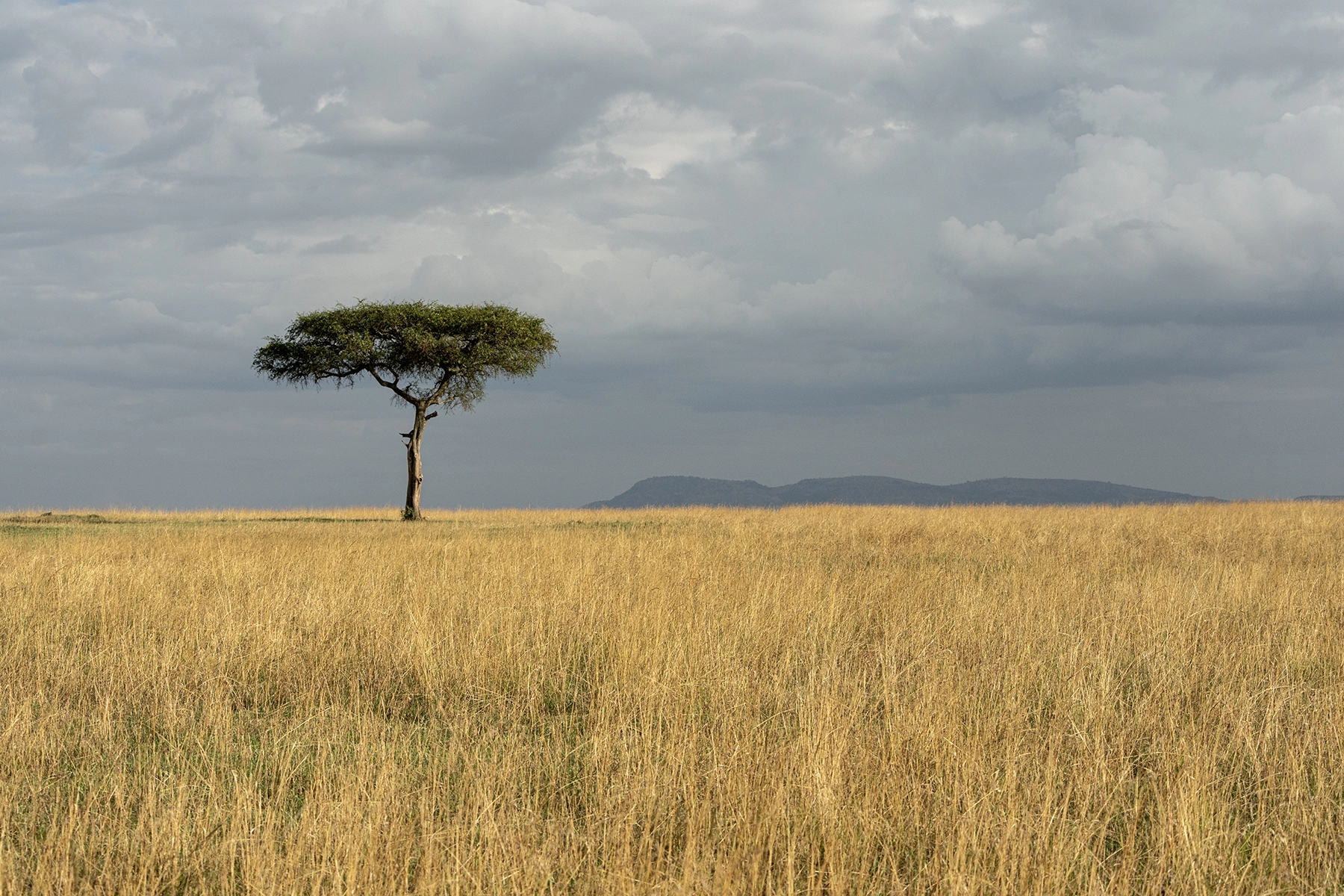
I also experimented with landscape shots. The lens proved its versatility by capturing sweeping views of the parks. Wide shots turned out clear and vivid, showcasing the African beauty.
The Tamron 50-400mm lens surpassed my expectations. It was not just a tool but a great way to experience wildlife up close. Its adaptability and quality deeply enriched my Kenya photo safari experience and photo memories. From point of view, a Kenya photo safari with the Tamron 50-400mm is definitely the way to go.
Photography Tips for a Successful Kenya Safari
Planning your photography strategy is crucial for a rewarding safari in Kenya. Knowing when and where to shoot can make all the difference. Here are my best safari photography tips for beginners to help you capture strong images in the field.
- Don’t miss the morning game drives. Embrace early mornings and late afternoons. This period, known as the golden hour, offers soft, diffused lighting ideal for photography. The natural glow enhances landscapes and wildlife photos. And animals are far more active during these cooler parts of the day.
- Trust your driver to locate wildlife. Experienced drivers are skilled in reading animal behavior, greatly increasing your chances of spotting and photographing Kenya’s incredible wildlife. Our driver, Chris, was a true expert, especially in identifying bird species. His deep understanding of animal behavior led us to remarkable sightings, including the elusive leopard—one of the hardest of the Big Five to find!
- Be patient and adaptable. Wildlife is unpredictable, and waiting for the perfect shot often pays off. Trust your driver to position you for the best photographic opportunities. On one unforgettable occasion, our driver raced across the Amboseli plains when Mount Kilimanjaro briefly emerged from the clouds, determined to find an elephant to frame against the iconic mountain backdrop.
- Composition can elevate your photos from good to great. Use leading lines and the rule of thirds. These composition techniques help to create more engaging and dynamic images.
- Always prioritize the subject’s eyes. Capturing an animal’s eyes can bring your photos to life, creating a powerful focal point that draws viewers in. The Tamron 50-400mm lens allowed me to zoom in for striking, close-up animal portraits. Its seamless integration with Sony’s Animal Eye-AF feature made it easy to lock focus on expressive eyes—a feature I trusted and relied on throughout the entire trip for consistently sharp and captivating shots.
Best Camera Settings for Safari Photography
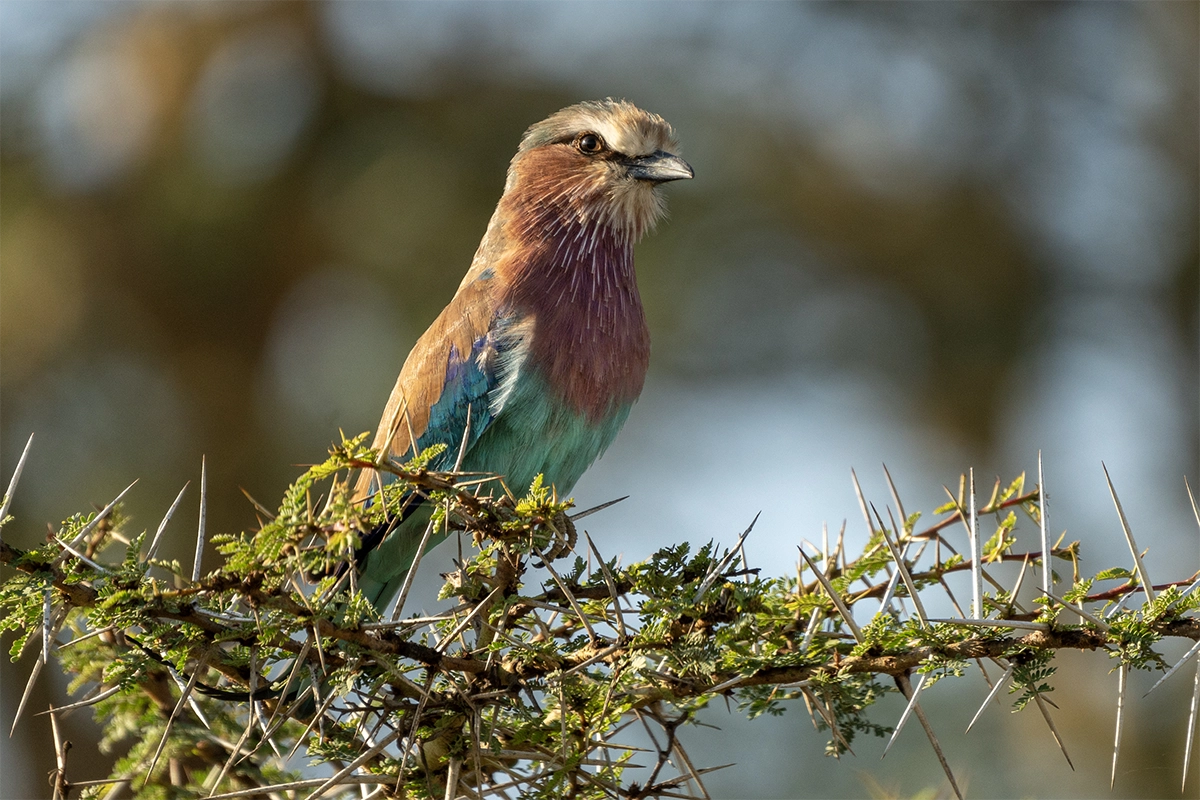
Getting your camera settings right is essential for capturing sharp wildlife images in unpredictable safari conditions.
- Use fast shutter speeds (1/500 or faster)
- Adjust ISO to maintain exposure
- Use continuous autofocus (AF-C)
- Shoot in burst mode
These best camera settings for safari photography are especially important when photographing animals in motion or at varying distances.
How to Photograph Animals from a Safari Vehicle
One of the biggest challenges of safari photography is shooting from a moving vehicle. Learning how to photograph animals from a safari vehicle can significantly improve your results.
- Use bean bags or rest your lens on the vehicle
- Stabilize your body and camera
- Anticipate movement before shooting
- Communicate with your driver for positioning
This approach is essential when photographing animals at varying distances, which is common on safari.
Wildlife Photography Gear Recommendations Beyond the Lens
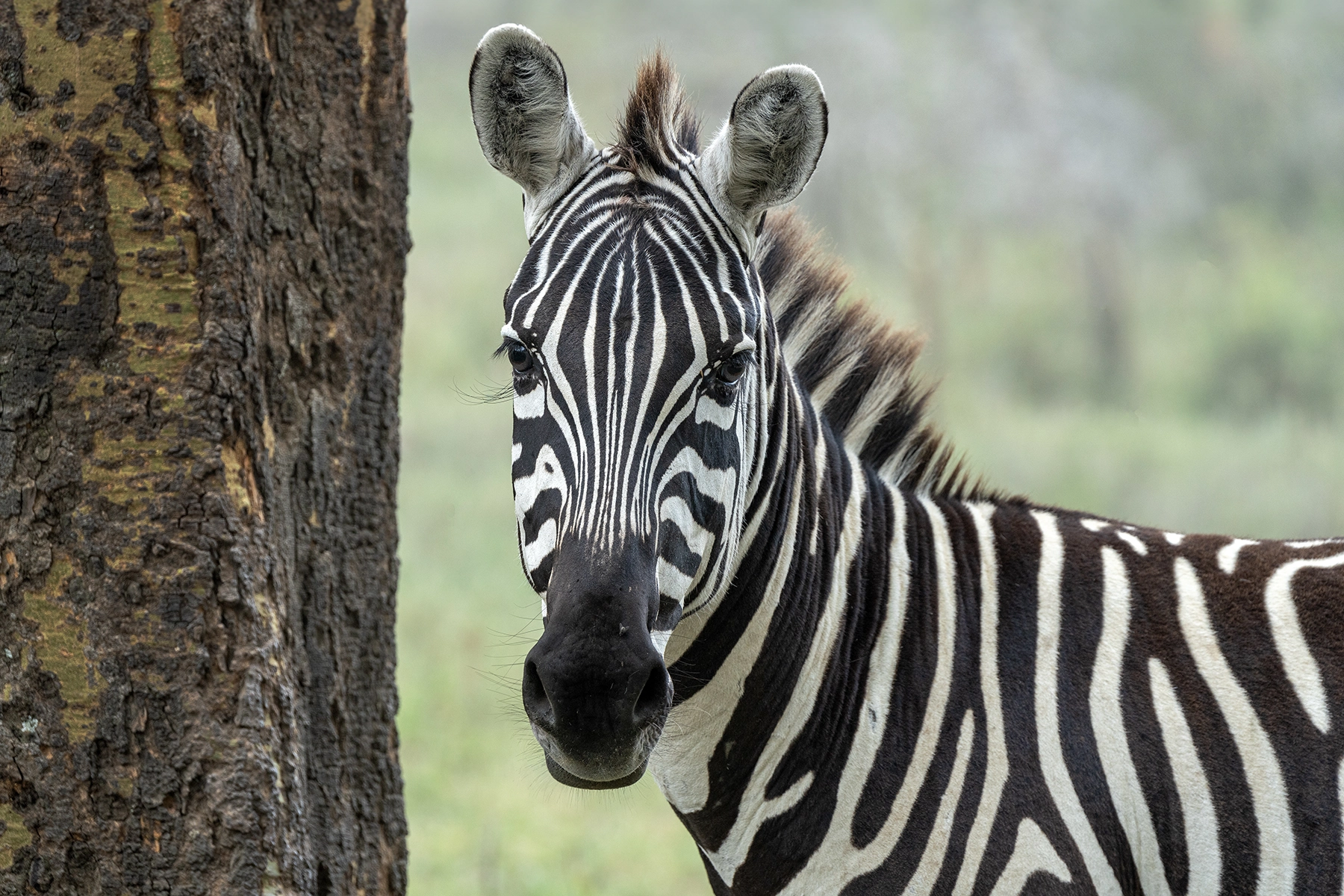
Besides my Tamron 50-400mm, that helped me stay prepared in changing conditions:
- Second Camera Body (avoid lens changes in dust)
- Polarizing Filter (reduce glare)
- Spare Batteries
- Fast Memory Cards
- Lens Cleaning Kit
This serves as a practical gear checklist for wildlife photography safaris, especially when traveling in remote environments.
How to Protect Your Camera from Dust on Safari
Dust was one of the biggest challenges during my safari. Understanding how to protect your camera from dust on safari is essential for maintaining your gear.
- Wrap your camera in a scarf when not shooting
- Use protective covers
- Clean your gear regularly
- Avoid changing lenses in dusty conditions
Dust protection is one of the most important safari photography tips, especially in dry environments like Kenya’s national parks.
Ethical Wildlife Photography: Respecting Kenya’s Natural Heritage
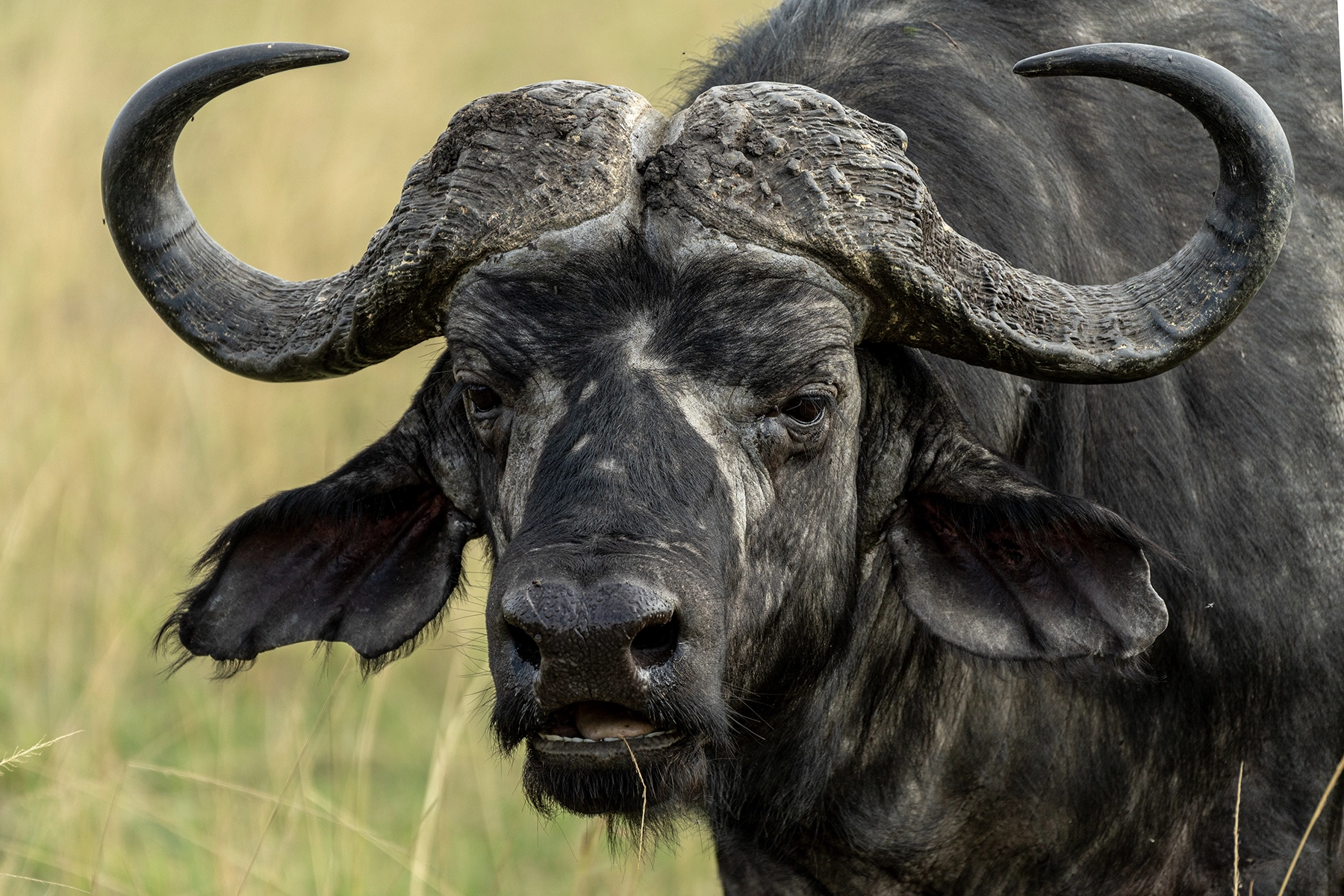
Ethical considerations are paramount in wildlife photography. Capturing Kenya’s beauty requires more than technical skills. Respect and responsibility for the environment and its inhabitants is paramount.
- Maintaining a respectful distance from wildlife is crucial. Getting too close can disturb animals, causing stress or altering their natural behavior. Always use a telephoto zoom lens, like the Tamron 50-400mm, to photograph from a safe range without intruding.
- Avoid influencing the subjects or their environment. Tempting as it may be, never provoke an animal for the sake of a dramatic shot. Patience is key; observe silently, allowing nature to unfold in its own time.
- Preserving the habitat is as vital as respecting its inhabitants. Stay on designated paths and never remove or disturb natural features. This ensures that future generations can enjoy the beautiful landscapes and wildlife that Kenya offers.
- Sharing your images can raise awareness. Highlighting conservation issues and the beauty of Kenya’s ecosystems can promote protection efforts.
Ethical photography not only captures the moment but also supports wildlife conservation efforts. Traveling with Liberty Africa Safaris ensured we explored Kenya with respect for the environment and local communities and adhered to sustainable practices throughout our trip.
Final Thoughts About My Kenya Photo Safari with the Tamron 50-400mm
For photographers looking for a reliable option for African safaris, the Tamron 50-400mm is a great choice. It balances quality, performance, and ease of use, making it well-suited for both enthusiasts and professionals.
If you’re exploring gear options, you can also review the best Tamron lens for wildlife photography to compare telephoto options for safari use.
Next Steps for Aspiring Safari Photographers
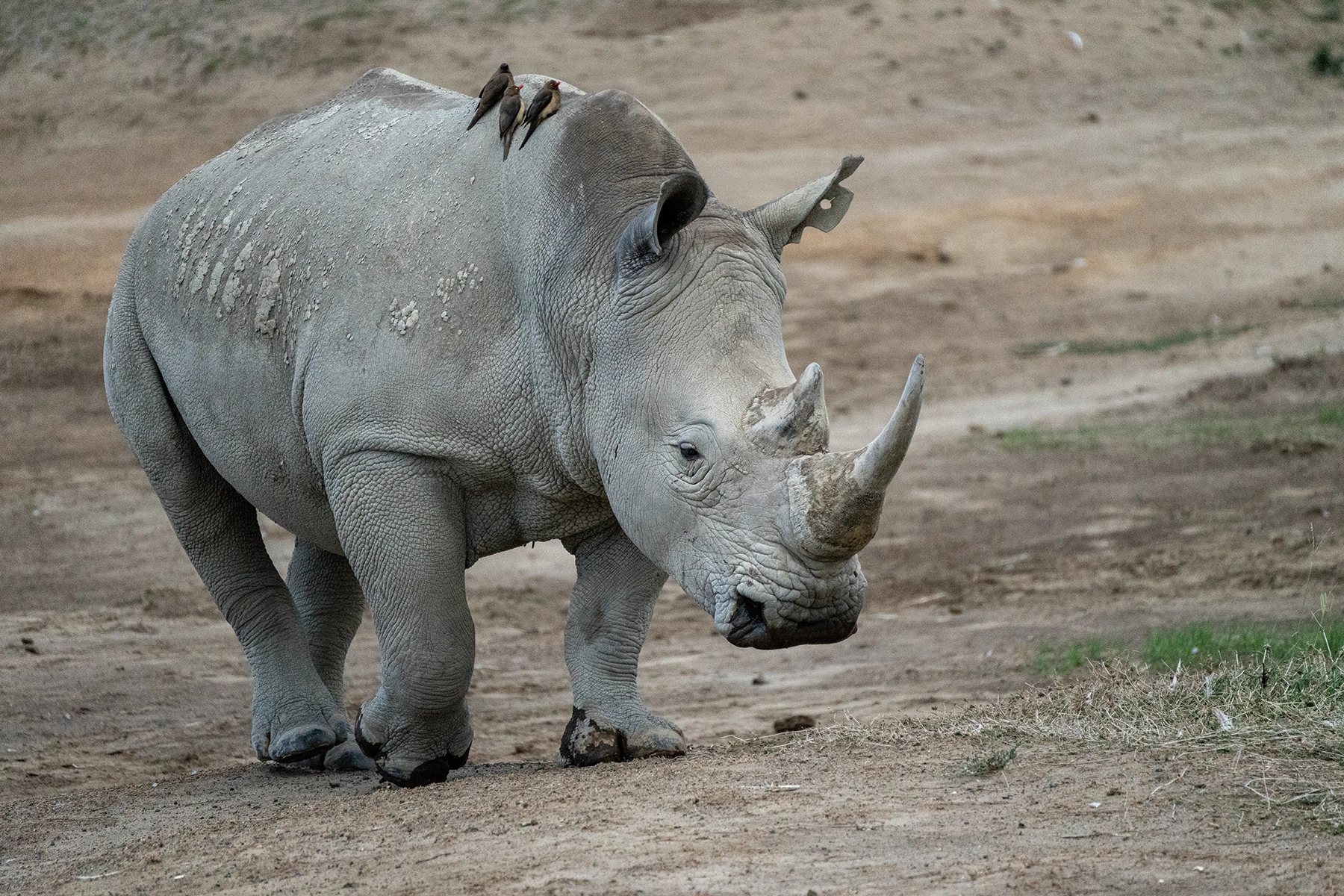
A Kenya photo safari is a remarkable experience. The combination of breathtaking landscapes and incredible wildlife offers endless opportunities for stunning photography. To make the most of it, thorough preparation is key.
For aspiring photographers, I highly recommend investing in a quality telephoto zoom lens like the Tamron 50-400mm lens that will significantly enhance your photo safari experience. It is great for both wildlife and landscape photography alike. Learning and improving your skills is essential for capturing unforgettable moments.
As you plan your safari, consider joining workshops or engaging with online photography communities like I did to learn from experienced safari photographers. This will help refine your technique and boost your confidence in the field.
To build your skills further, explore these additional resources:
Where to Buy Tamron Lenses
Learn more about Tamron lenses at an authorized Tamron dealer near you or shop directly at the official TAMRON Store.
FAQ About Safari Photography Tips
What is the best time of day for safari photography?
Early morning and late afternoon provide the best light and most active wildlife.
Do I need two cameras on safari?
It’s helpful but not required. A second body reduces lens changes in dusty conditions.
How do I keep dust out of my camera?
Use covers, avoid lens changes, and clean gear regularly.
Is a tripod useful on safari?
Not usually. Bean bags or vehicle support are more practical.
What lens is best for safari photography?
A telephoto zoom like 100–400mm or 50–400mm is ideal for capturing wildlife at varying distances.
What camera settings should I use on safari?
Use fast shutter speeds (1/1000+), continuous autofocus, and burst mode to capture action.
How far away are animals on safari?
Animals can range from very close to several hundred feet away, making zoom versatility essential.
How do you photograph animals from a safari vehicle?
Stabilize your camera, use fast shutter speeds, and coordinate positioning with your guide.
What are the best safari photography tips for beginners?
Focus on light, patience, composition, and understanding animal behavior.
About the Author
 Stacie Errera is Vice President of Marketing and Communications for Tamron Americas, where she has been with Tamron for more than 36 years. She is also a photography educator who teaches new camera users how to better understand their cameras and photography basics. She leads weekend photography workshops for women. Read Stacie’s full bio >>