 Instant Savings
 Rebate Claims
 Support
 Find a Dealer
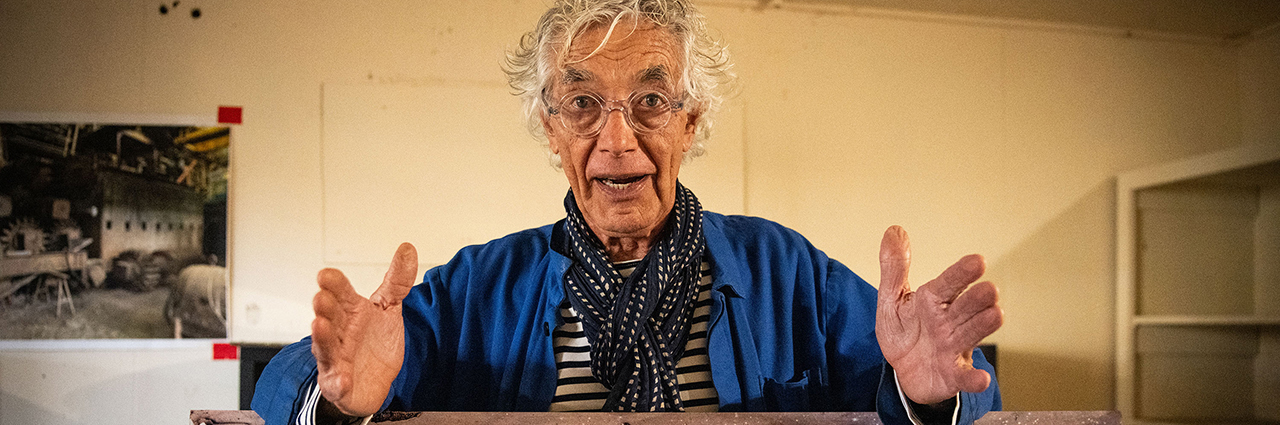





The difference between videography and cinematography lies in intentional sorytelling. Videography captures events; cinematography constructs visual narratives.
If you’re wondering how to shoot cinematic video instead of simply recording events, start by designing shots with emotional purpose. Lens choice, framing, depth of field, and movement must reinforce narrative intent.
Close-ups with shallow depth of field create intimacy. Wide establishing shots define context. Controlled lighting adds psychological tone.
The Tamron 20-40mm F/2.8 Di III VXD supports this versatility, allowing you to move seamlessly between environmental storytelling and emotionally driven close-ups while maintaining consistent image quality and cinematic depth.
Advanced Cinematography Lighting Techniques for Emotional Impact

Lighting separates amateur video from cinematic filmmaking.
High-Key vs. Low-Key Lighting
High-key lighting creates bright, even illumination for neutral or uplifting tones.
Low-key lighting emphasizes contrast, shadows, and tension.
Understanding lighting ratios is essential if you want to learn how to create dramatic lighting for film.
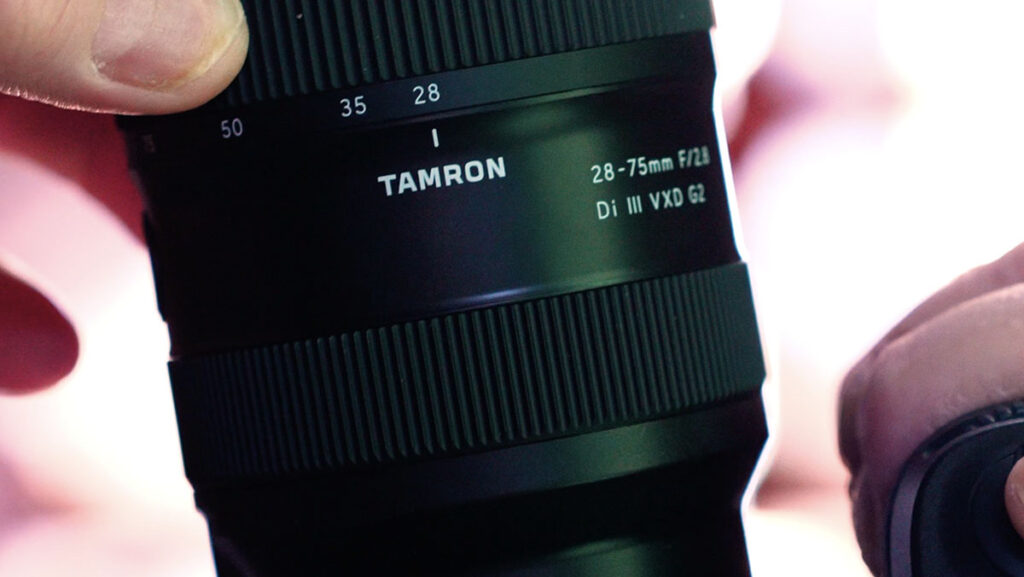
The Tamron 28-75mm F/2.8 Di III VXD G2 allows flexibility during lighting adjustments without swapping lenses, maintaining workflow efficiency on set.
Composition Beyond the Rule of Thirds
Professional cinematography expands beyond basic framing techniques. Use:
- Leading lines
- Symmetry
- Negative space
- Frame-within-a-frame compositions
These techniques add psychological subtext and visual layering.
Advanced Cinematography Camera Movements for Immersive Visual Storytelling

Intentional movement enhances cinematic immersion. Once you’ve mastered basic camera movements like pans, tilts, and zooms, and explored techniques like tracking shots, dolly zooms, and handheld shots, it’s time to push the envelope with even more advanced cinematography camera techniques. These include:
Whip Pan for Energy and Transition
A whip pan is a fast, often dramatic, camera movement where the camera quickly pivots from one subject to another, creating a motion blur that adds energy and urgency to a scene. This technique is great for transitions between scenes or to emphasize sudden changes in action.
Example in Cinema: An example of this cinematography technique can be seen in “Mad Max: Fury Road.” The action sequences frequently use whip pans to maintain the frenetic pace and high energy of the car chases. The camera quickly shifts focus between vehicles, characters, and explosions, immersing the audience in the chaos.
Jib and Crane Shots for Scale
A jib or crane shot involves mounting the camera on a crane or jib arm, allowing for smooth, sweeping movements. These shots can move vertically, horizontally, or even in a full arc, creating dynamic perspectives that add a cinematic grandeur to your scenes.
Example in Cinema: A famous example of this cinematography technique is from “The Shawshank Redemption.” In the iconic scene where Andy Dufresne stands in the rain after escaping from Shawshank Prison, the camera starts at ground level and ascends to show Andy raising his arms in freedom, adding dramatic impact to the moment.
Steadicam and Gimbal Shots for Seamless Flow
Steadicam or gimbal shots allow for smooth, stabilized movement, often following a subject through various terrains. Understanding how to achieve smooth cinematic tracking shots requires careful stabilization and lens balance. This technique is ideal for complex, choreographed scenes where the camera needs to move fluidly through the environment without any shakiness.
Example in Cinema: This cinematography technique is seen in “Rocky” when the Steadicam was used to film the iconic scene where Rocky runs up the steps of the Philadelphia Museum of Art. The camera follows him smoothly, capturing his physical exertion and determination, which has since become one of the most enduring images in film.
Vertigo Effect (Dolly In, Zoom Out)
Building on the dolly zoom, the vertigo effect involves dollying in while simultaneously zooming out (or vice versa), creating a warped, disorienting visual effect. This technique is highly effective for conveying a character’s realization or a sudden change in their psychological state.
Example in Cinema: This effect was pioneered by Alfred Hitchcock in “Vertigo” and is used in the scene where Scottie, played by Jimmy Stewart, experiences a sense of vertigo while looking down a staircase. The combination of a dolly in and zoom out creates a disorienting effect that visually represents Scottie’s acrophobia.
Long Take (One-Shot) Technique
A long take is a continuous shot with no cuts, often lasting several minutes. This technique requires precise choreography and planning but can create an immersive experience by allowing the audience to follow the action in real-time, often building tension or showcasing a character’s journey.
Example in Cinema: An example of this cinematography technique is in the film “Children of Men.” The car chase scene is a masterclass in the long take technique, where the camera moves fluidly inside and around the car during an intense, chaotic action sequence, immersing the audience in the danger and urgency of the moment without any visible cuts.
These advanced cinematography techniques require technical skill, along with careful planning and creativity. When used effectively, they can add a professional, cinematic quality to your work, making your films stand out in terms of both visual storytelling and technical execution. The Tamron 17-50mm F/4 Di III VXD offers a perfect balance for these advanced techniques, with a focal length range that accommodates both wide and tight shots. Its compact size also makes it ideal for complex movements, providing the flexibility needed to execute these shots without compromising quality.
Professional Lens Selection for Cinematic Video Production
High-resolution filmmaking demands consistent optical performance.
When selecting lenses for professional cinematic work, consider:
- Minimal focus breathing
- Smooth autofocus transitions
- Stable performance during zoom
- Controlled manual focus response
- Effective image stabilization
The Tamron 17-70mm F/2.8 Di III-A VC RXD delivers fast aperture performance and Vibration Compensation, supporting stabilized handheld filmmaking in dynamic environments.
If you’re researching how to choose the best lens for cinematic video, prioritize versatility, aperture consistency, and stabilization.
Advanced Lens Control with TAMRON Lens Utility™ and TAMRON-LINK
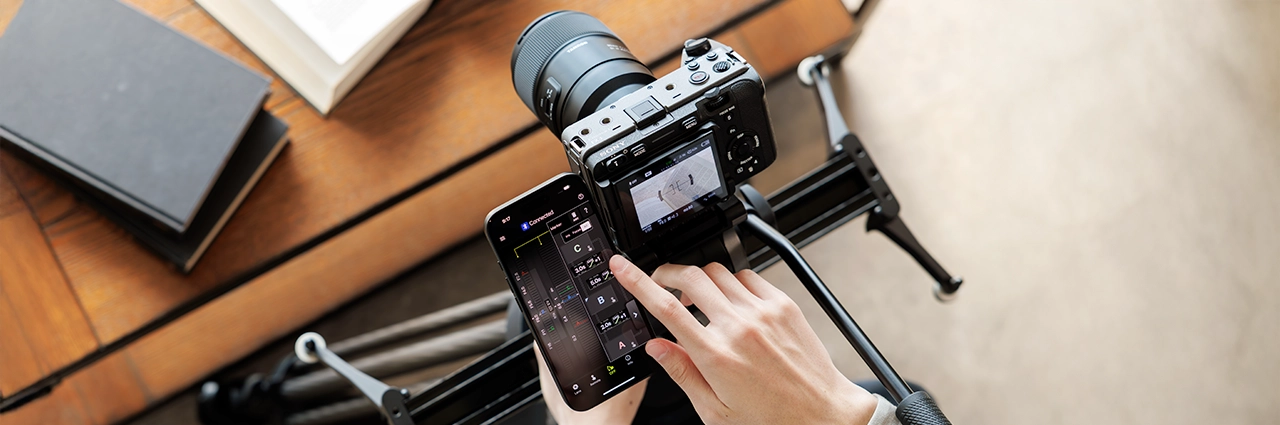
Modern filmmaking often requires programmable lens behavior and remote control flexibility.
TAMRON Lens Utility™ allows compatible lenses to connect to a computer or mobile device for advanced customization. Filmmakers can fine-tune focus functions, adjust manual focus response, and update firmware to optimize autofocus performance for video production.
The TAMRON Lens Utility™ Mobile app supports both iOS and Android smartphones. When paired with TAMRON-LINK — an optional Bluetooth accessory — supported lenses connect wirelessly, eliminating cable limitations.
Wireless lens control is particularly valuable when:
- Operating on gimbals or cranes
- Filming solo without a focus puller
- Mounting cameras in complex positions
- Executing precise rack focus transitions
For filmmakers exploring how to improve focus precision in cinematic video, programmable lens control enhances both workflow efficiency and creative control.
Special Effects and Cinematic Production Tools

Practical effects such as fog, gels, reflections, and dynamic lighting can enhance visual storytelling organically.
Digital post-production effects further refine cinematic atmosphere, but practical effects often deliver more natural integration.
Understanding when to use practical vs. digital effects is key to developing professional filmmaking instincts.
Cinematography vs. Videography: Understanding the Distinction
Videography captures reality. Cinematography constructs emotion.
Cinematic filmmaking requires:
- Intentional lighting
- Composed framing
- Planned movement
- Controlled depth of field
- Refined post-production
If you’re aiming to understand how to elevate your videography into cinematic filmmaking, focus on narrative intent first — then support it with technical mastery.
People Also Ask About Cinematic Videography
What makes a video truly cinematic?
Cinematic video combines intentional lighting, shallow depth of field, deliberate camera movement, and professional color grading.
How do filmmakers achieve professional-looking video?
They control lighting ratios, stabilize movement, use high-performance lenses, and refine footage in post-production.
What lens is best for cinematic filmmaking?
Versatile F2.8 zoom lenses with minimal focus breathing and stabilization offer flexibility for dynamic cinematic shooting.
How do you get smooth cinematic camera movement?
Use stabilized setups like gimbals or cranes and balance lens weight carefully.
Does wireless lens control improve filmmaking?
Yes. Wireless control increases flexibility for complex setups and precise focus pulls.
Elevating Your Craft: From Skilled Videographer to Cinematic Filmmaker
Mastering cinematic videography is an ongoing evolution of storytelling, lighting mastery, lens selection, and creative experimentation.
By combining advanced cinematography techniques with professional-grade tools like Tamron’s versatile lenses — and leveraging advanced lens control through TAMRON Lens Utility™ — you position yourself to create emotionally compelling, visually immersive films.
Cinematic filmmaking isn’t about using expensive equipment — it’s about using the right tools intentionally.
Keep experimenting. Keep refining. Keep telling stories that resonate.
Where to Buy Tamron Lenses
Learn more about Tamron lenses at an authorized Tamron dealer near you or shop directly at the official TAMRON Store.
Frequently Asked Questions About Cinematic Filmmaking
How do I make my videos look like a movie?
Control lighting contrast, shoot at wider apertures like F2.8, use intentional camera movement, and apply cinematic color grading.
What aperture is best for cinematic depth?
F2.8 provides strong subject separation while maintaining sharpness and flexibility.
Is image stabilization necessary for filmmaking?
Yes, especially for handheld or moving shots where micro-shake is amplified.
Can I control my lens wirelessly for film production?
Yes. Compatible lenses can connect via Bluetooth using TAMRON-LINK and the TAMRON Lens Utility™ Mobile app.
What’s the biggest difference between videography and cinematography?
Videography captures events; cinematography constructs intentional visual storytelling.